The Wildlife of Malaysia
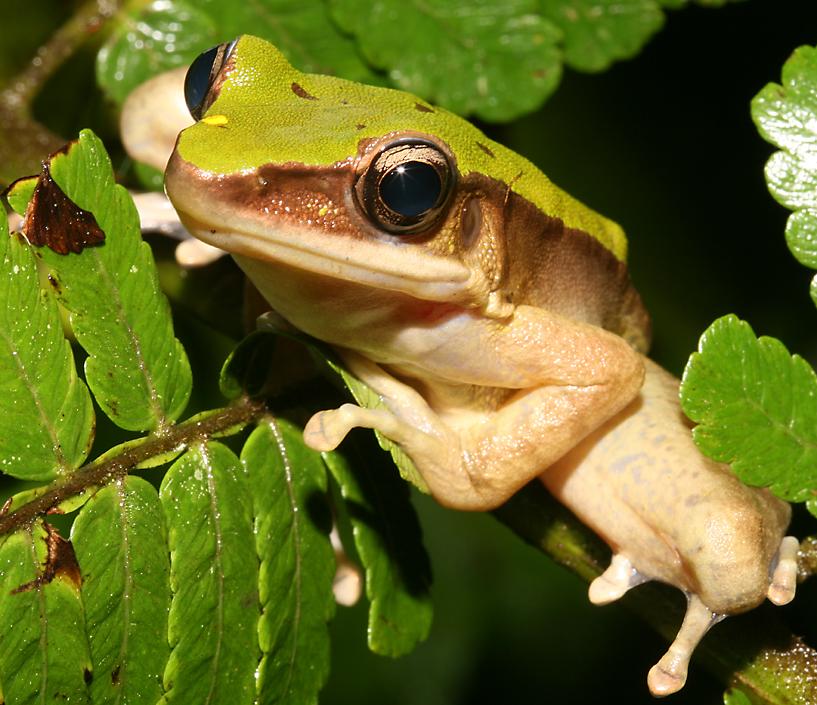
I made a two week visit to peninsular Malaysia in June of 2008, about 13 years after I visited this same area for a week, at the end of a month-long working trip to Brunei. A lot changed in that time, and my interest in wildlife had also developed, so I made a point of getting out to natural areas as much as I could to photograph the wildlife. Unfortunately rain followed me around for the whole trip, but of course that suits some animals very well, like this attractive green cascade frog living in the Cameron Highlands, a short drive north-east of the capital, Kuala Lumpur. These frogs are found all the way from east India to China, and scientists recently decided that this frog actually consists of at least eleven separate species, all of which are slight variations on the same appearance. The confusion also applies to the scientific name applied to this complex of species. Originally (and still most commonly) known as Rana livida, the synonym Huia livida later appeared, and now it's called Odorana livida, which also led to the rarely seen and rather unflattering alternative common name "large odorous frog". |
|
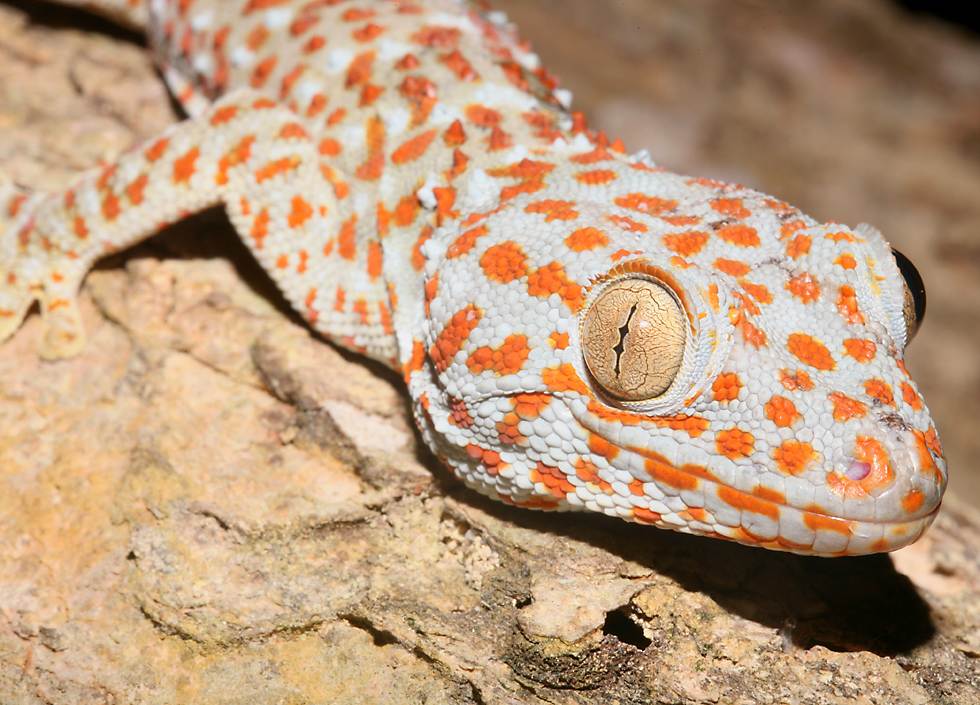
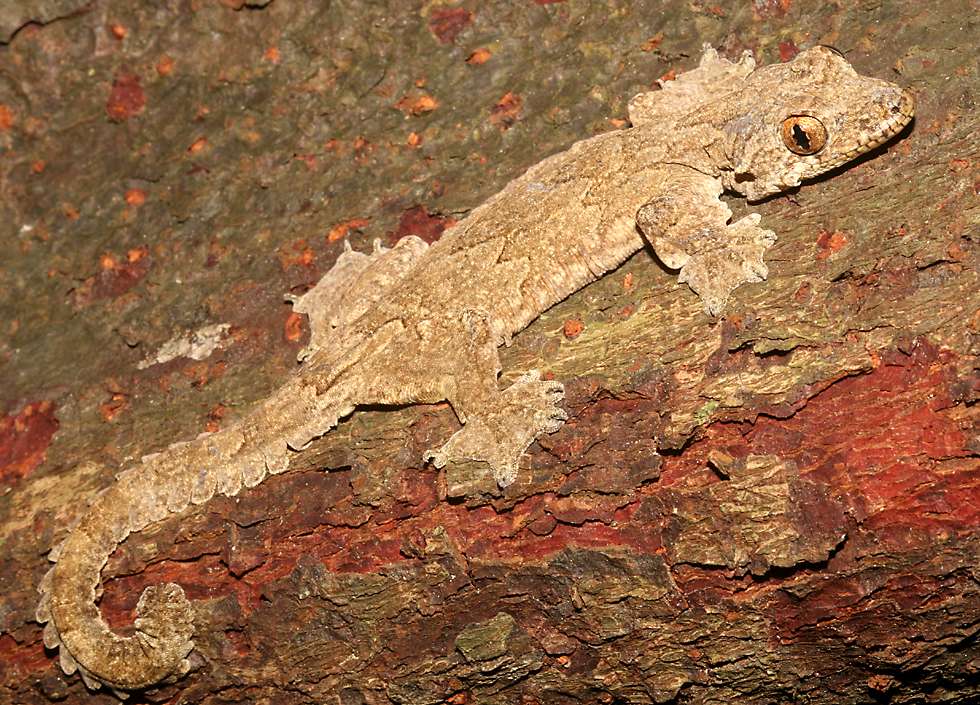
This flying gecko was out on the same night as the tokay gecko, and in the same small area. They can't actually fly, but it does use the webbed skin around its body to glide from one tree to another. This one seems a bit happier than the angry flying gecko I photographed in Thailand the year before. |
 |
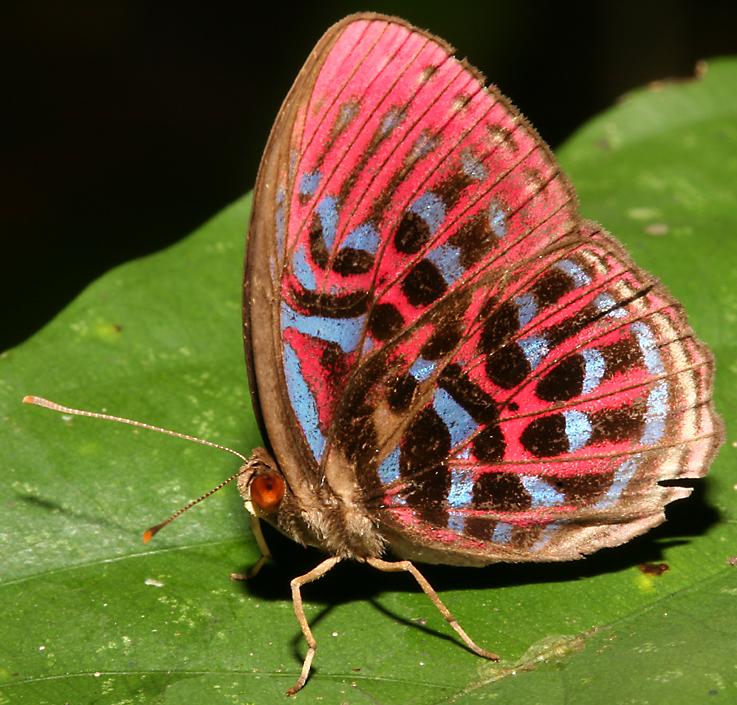
The wet weather meant that I saw far fewer butterflies than I hoped, however I did come across this Malay red harlequin in Taman Negara, the large lowland nature reserve in the north, central region. This butterfly is unusual because it lives in dark, shady parts of the forest. It was also fairly difficult to photograph, because it flew away whenever I got close; it took a good 15 minutes before I was able to get near enough to get some decent photos. The Malay red harlequin belongs to a family called "metalmarks", most of which have metallic bronze coloration on the tops of their wings. Coincidentally, the Malaysian postal service released a set of butterfly stamps in April of 2008, and one of these stamps features the Malay red harlequin. |


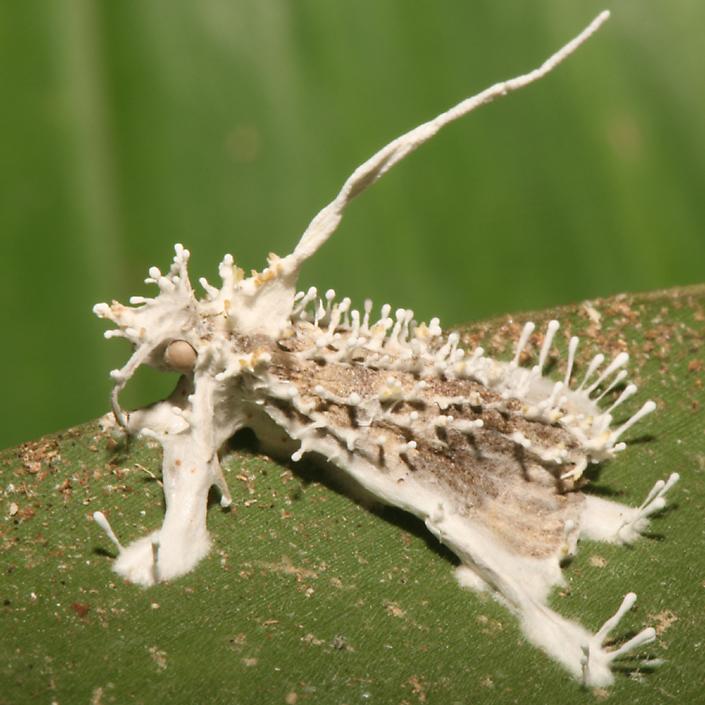
Believe it or not, this is another moth, though not in as good condition as the previous two! This one has become infected with a fungus, which has eventually taken over the whole insect, finally producing the fruiting bodies you see here, one sticking out from the head and others looking just like little pins holding the moth to the leaf. This sort of thing is relatively common in the tropics, and in fact different species of fungi specialize in parasitizing different insects. Ants which show signs of fungal infection will be carried by their colleagues far away from the nest, to prevent the spores from spreading throughout the colony. |
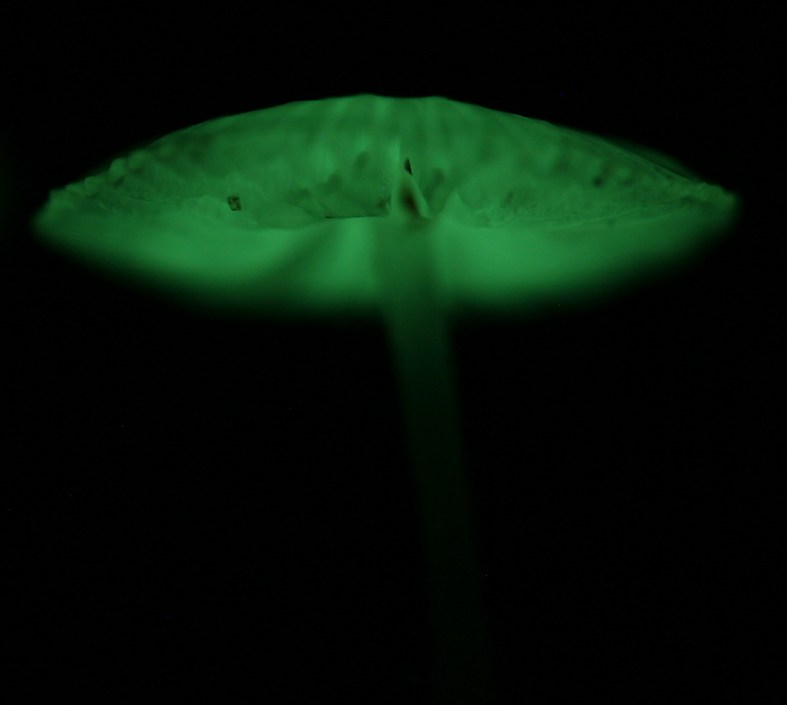
This isn't the strangest fungus I saw in Malaysia - that prize goes to this very small bioluminescent mushroom which was growing in a large, spread-out colony quite close to the accomodation at Taman Negara. Bioluminescense occurs in a number of fungi, but this is the first opportunity I've had to photograph it in operation. |
|
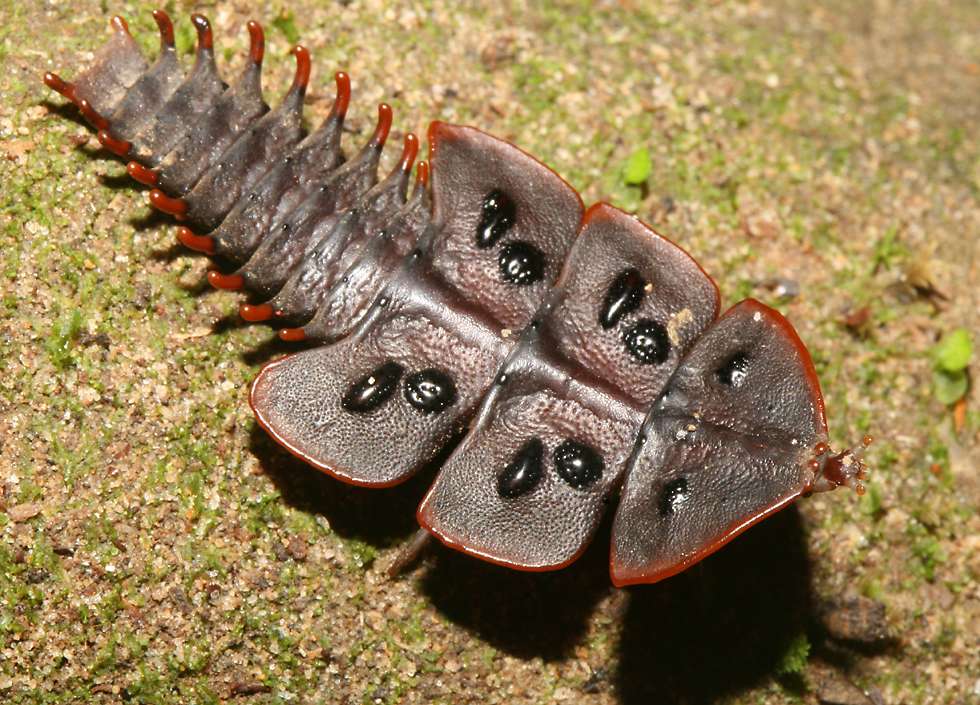
This weird creature was only a hundred meters from the bioluminescent mushroom patch. It looks positively prehistoric and I must admit that I wasn't even sure what sort of thing it is, though my best guess at the time was that it was a firefly larva, like the large firefly larva I photographed at night in Vietnam. I didn't notice that this one in Malaysia was glowing, but it turns out that both this and the Vietnamese "firefly" aren't fireflies at all, they're actually the larvae of net-winged beetles in the genus Duliticola, otherwise known as "trilobite larvae" because of their prehistoric shape; the one you see here is Duliticola hoiseni. The drops of liquid on this one's back look like they are some toxic substance exuded for protection, I'm not sure if that was for my benefit or whether it was already feeling stressed when I arrived. |
|
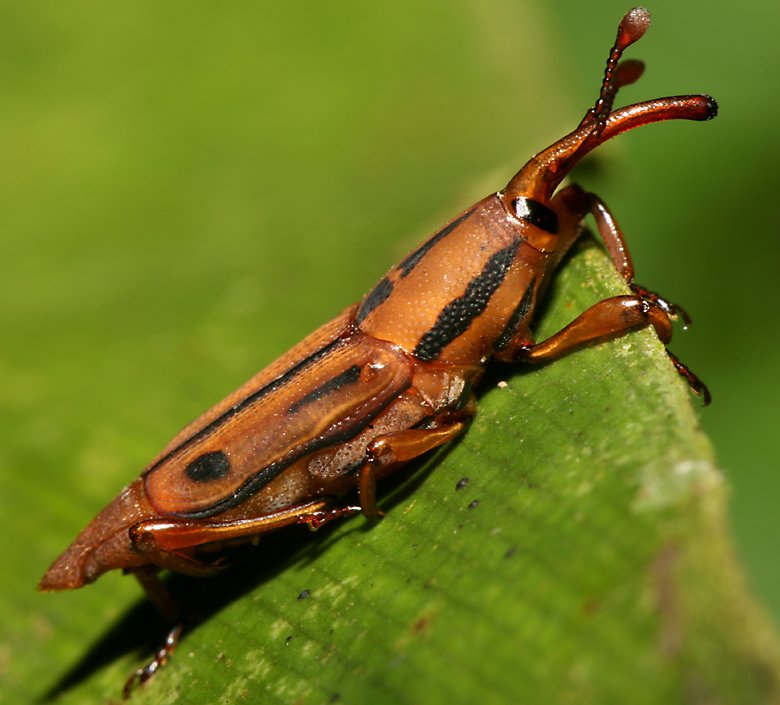

Not to be outdone in the weirdness stakes, this is some type of true bug in the family Derbidae, with strangely outsized wings. The two little rods sticking out of its face add to its alien appearance. I saw a similar one in Indonesia, though it coloration was slightly different. |
|
How many ants do you see in this photo? There are actually two, and if you can't see the second one then look in the jaws of the one you do see. Here's the scary thing - the small one is a "normal" sized ant, and the one that's eating it is a giant forest ant (Camponotus gigas), measuring a good two or two and a half centimeters in length. I first saw giant forest ants in Brunei, though I wasn't able to get a photo there; Latin America has a similar monster called the bullet ant, which has a bite which can make you seriously sick for several days. |
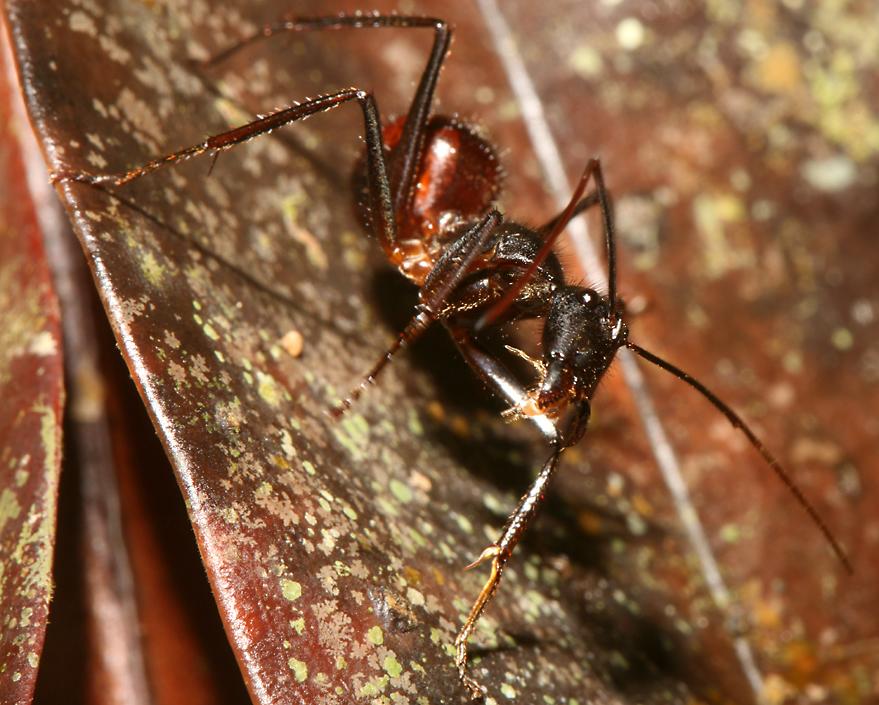
|
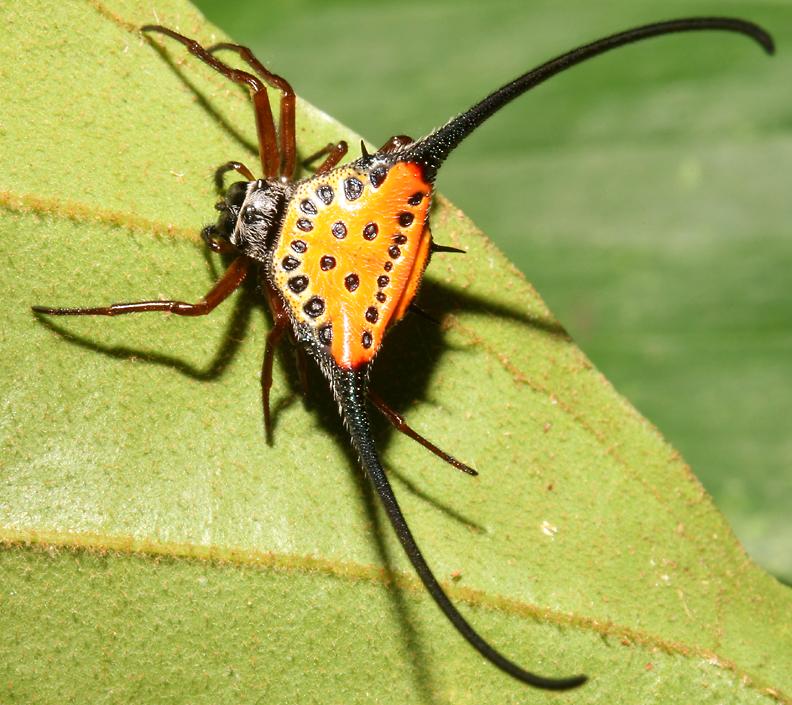
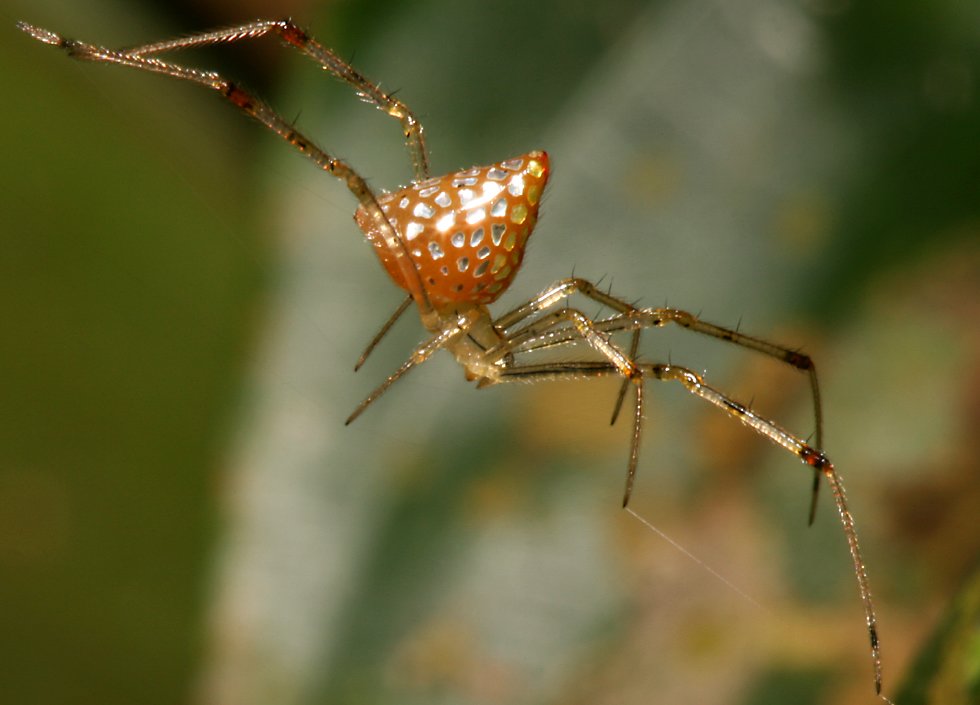
Here's one of the coolest spiders I've photographed in a while, a horned spider which belongs to a family called the "spiny orb weavers". I've photographed other members of this family in Thailand, and even one in the United States. Presumably the horns and spines which this family of spiders possesses makes it harder for birds and other predators to swallow them. |
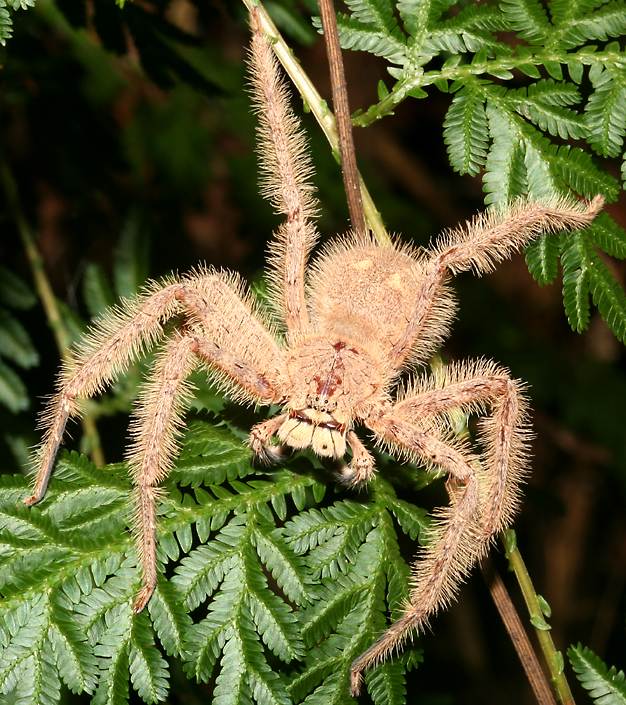
There were several large spiders wandering around at night in Taman Negara, including this very hirsute individual. It's named after another hairy individual - believe it or not, its scientific name is Heteropoda davidbowie! It's an appropriate name for a number of reasons, not least being David Bowie's 1972 album The Rise and Fall of Ziggy Stardust and the Spiders from Mars. This spider might look like it's from Mars, but it's actually an uncommon species found only in Malaysia. Its rarity is another reason it was named after the pop star - its discoverer wanted to raise public awareness of its plight, and thought this would be a good way to do it! It's a huntsman spider, and like most members of that family it's got very small eyes, so it's obviously not hunting by sight. Instead it's probably sensing vibrations on the leaves and stems that its legs are touching, and even air vibrations which it feels with all of those hairs. |
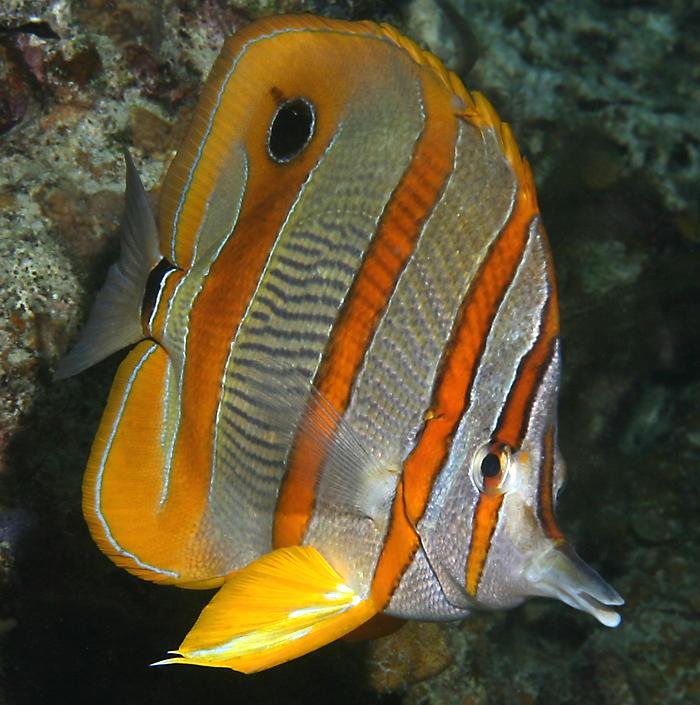
As well as all of those tropical goodies on the mainland, Malaysia is also a famed destination for scuba divers looking for beauty below the water line. Most of the world-class diving sites like Sipadan and Labuan are in Malaysia's states on the island of Borneo, however there are several islands off the east coast of the Malaysian peninsular which have worthwhile diving. Tioman Island is probably the most popular because of its proximity to Singapore, and many people consider Redang in the north to be the best peninsular dive site. However I only had time to spend a couple of days on the Perhentian Islands, just to the north of Redang. One of the many attractive fish you can see here is the long-beaked coralfish, which is a type of butterflyfish also called a copperband butterflyfish. With a small mouth like that, about all it can eat is small crustaceans and other invertebrates. |
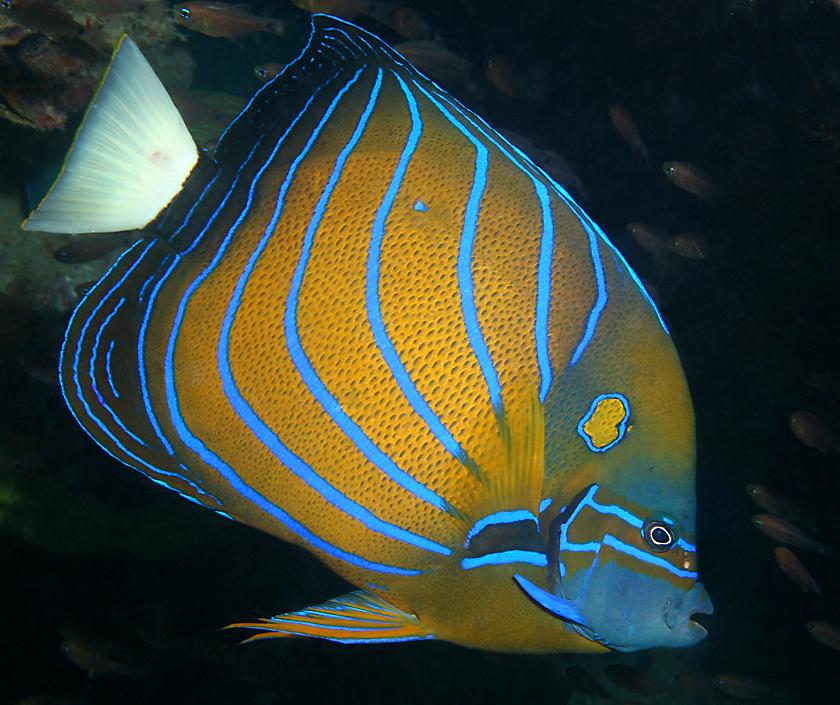
Another attractive fish, but this time an angelfish rather than a butterflyfish. This is a blue-ring angelfish, and like the long-beaked coralfish, it's a species I'd never seen before, but there were many of them at different sites around the islands. As you can see, it has a large blue spine on its cheek, which it can use to defend its territory. |
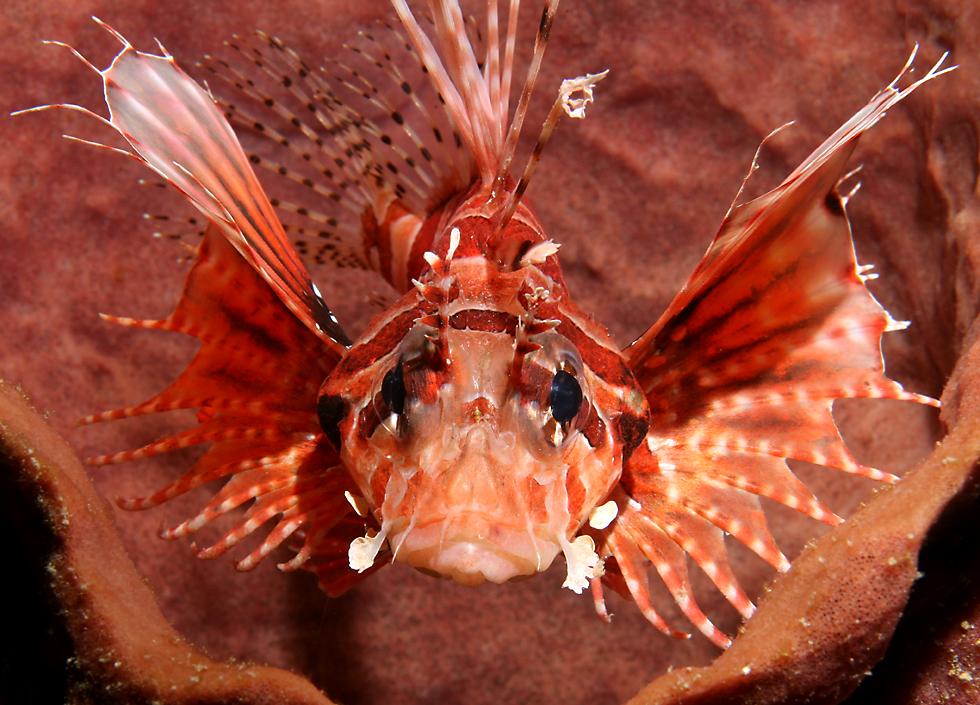
|
Into the home stretch, so let's crank up the creepiness factor a couple of notches! These reef lizardfishes like to rest on hard surfaces, waiting for a small fish to swallow. |
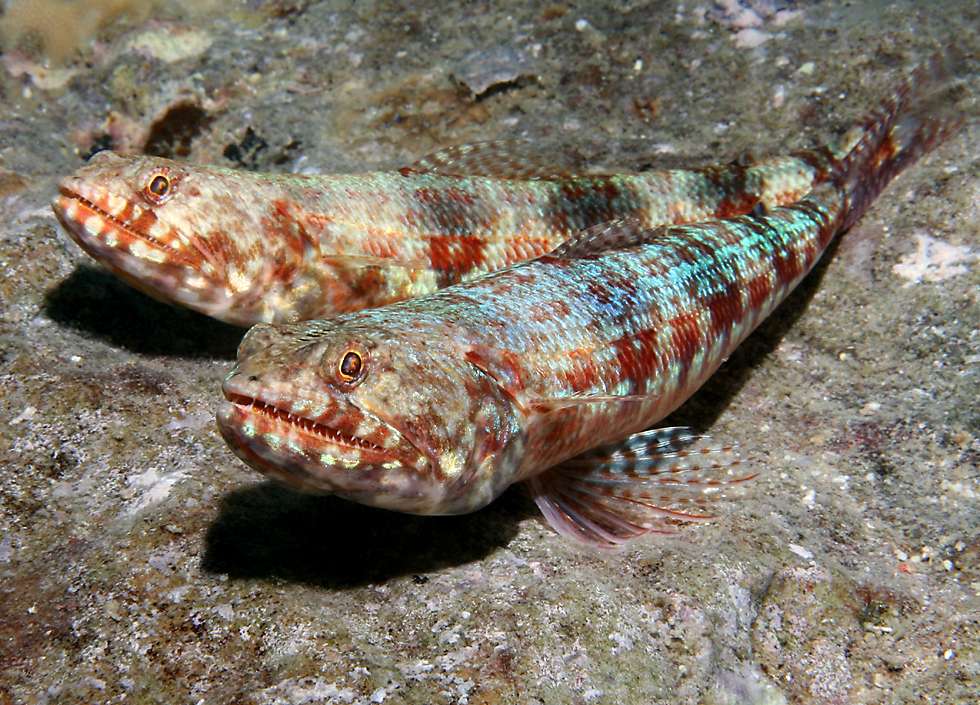 |