
Bugs of the World
| Belize | Indonesia | Russia |
| Cambodia | Malaysia | Thailand |
Costa Rica  |
Mexico | United States of America |
| Fiji | Philippines |
Vietnam |
Belize
|
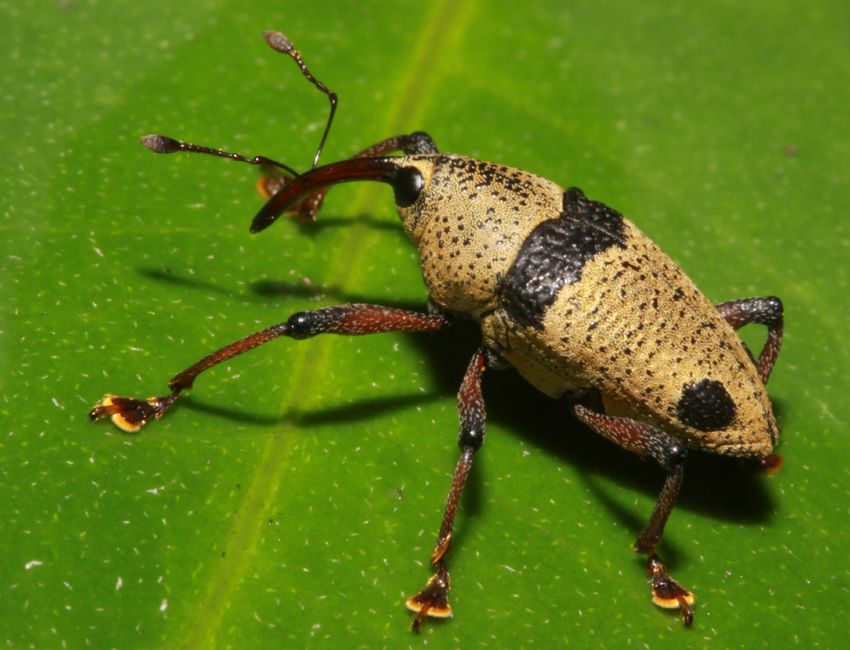
The tiny Central American nation of Belize is famous for scuba diving and sport-fishing, and there are many people who come to lie on its beaches or investigate the main Maya sites. Others come in the largely forlorn hopes of seeing a jaguar in the Cockscomb Basin Wildlife Sanctuary, but few realize what a wealth of insect life lives in the mainland jungles, like this comical-looking weevil, just one of many beautiful beetles to be found here. |
|
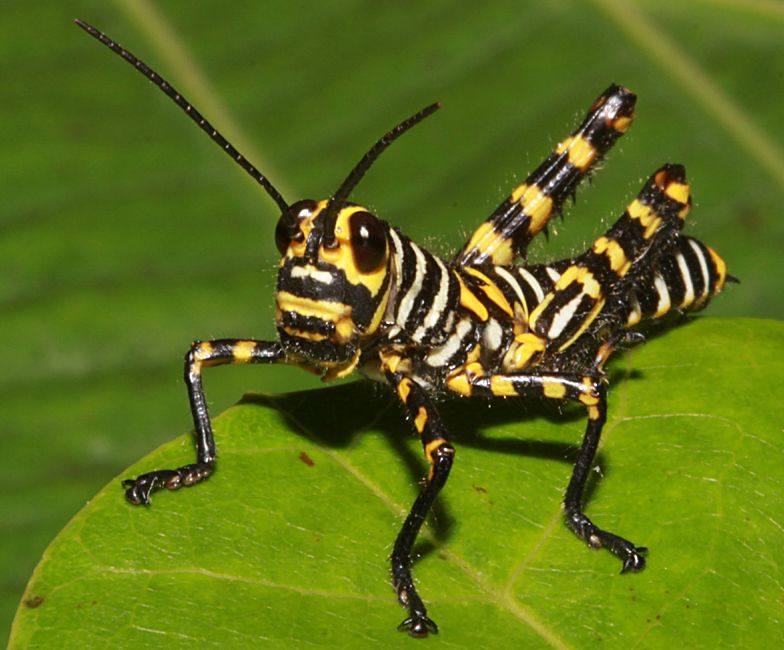
Even some very familiar bugs like this grasshopper come in unexpected forms, with colors and patterns fit to rival a butterfly. |
|
|
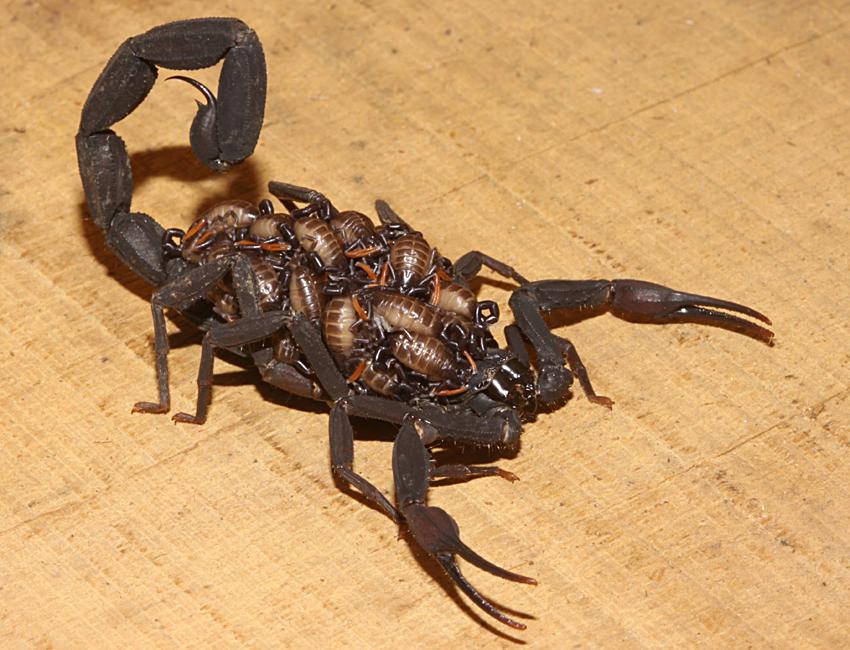
Of course not every bug here is so attractive! This scorpion with babies on its back was hiding under a pillow in the bunkroom where I was staying at park headquarters in the Rio Blanco National Park, in the far south of the country. Other inhabitants of the building included a small posse of bats and a kissing bug, which often carries a deadly parasite which causes the incurable Chagas disease. |
Cambodia
|
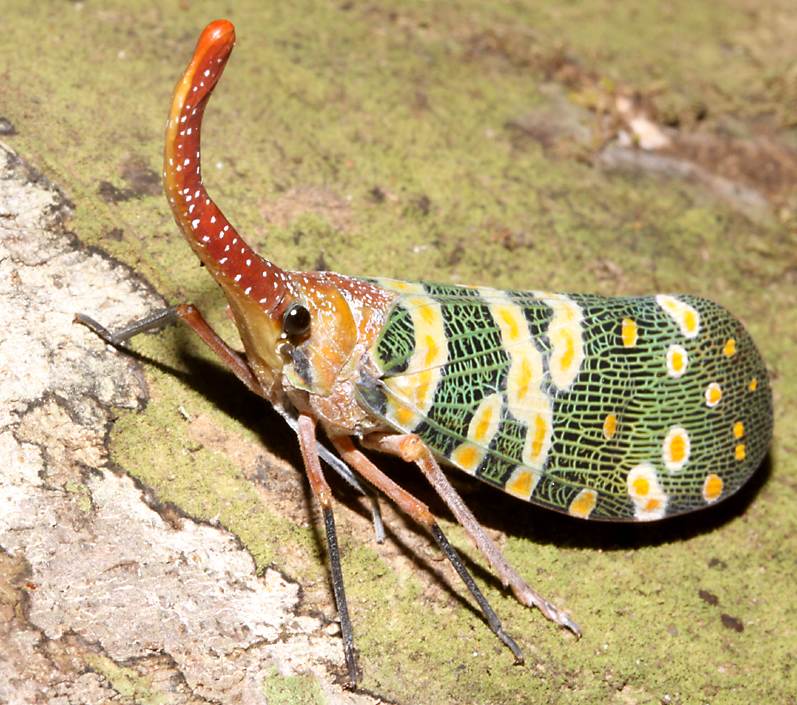
Cambodia doesn't have a lot of infrastructure devoted to people who want to view wildlife, but it's still possible to see many of Cambodia's bugs by visiting the tourist attractions around Angkor, and scenic areas around the country. This remarkable looking lantern bug was at Bousra waterfall in the province of Mondulkiri, along with a host of dragonflies, damselflies and other creatures. |
|
|
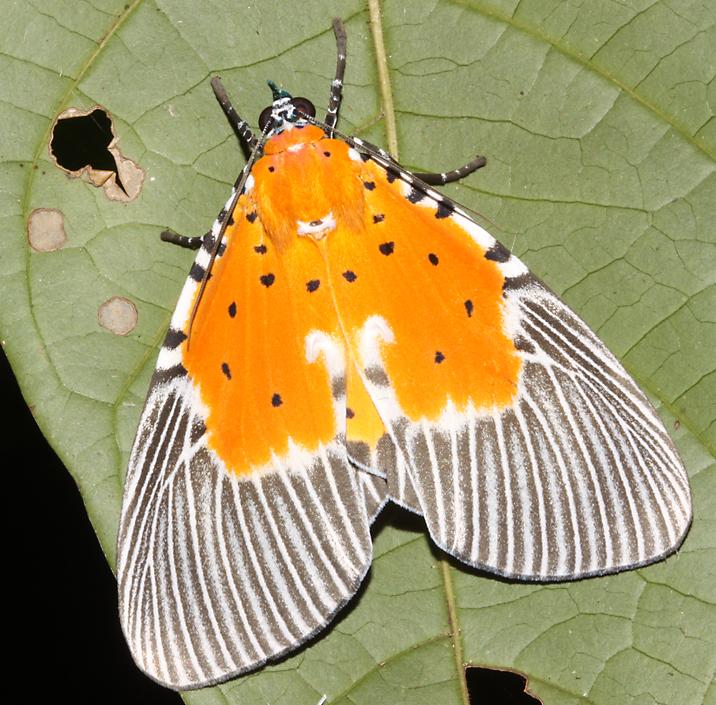
Many of the national parks aren't accessible, but a few like Kep on the south coast are very easy to go into. Kep has a lot of wildlife, including mammals like monkeys, civets and bats, but it's also particularly rich in moths, including spectacular lime green moths called emerald moths and a variety of owlet moths like this beautifully marked Peridrome orbicularis. |
|
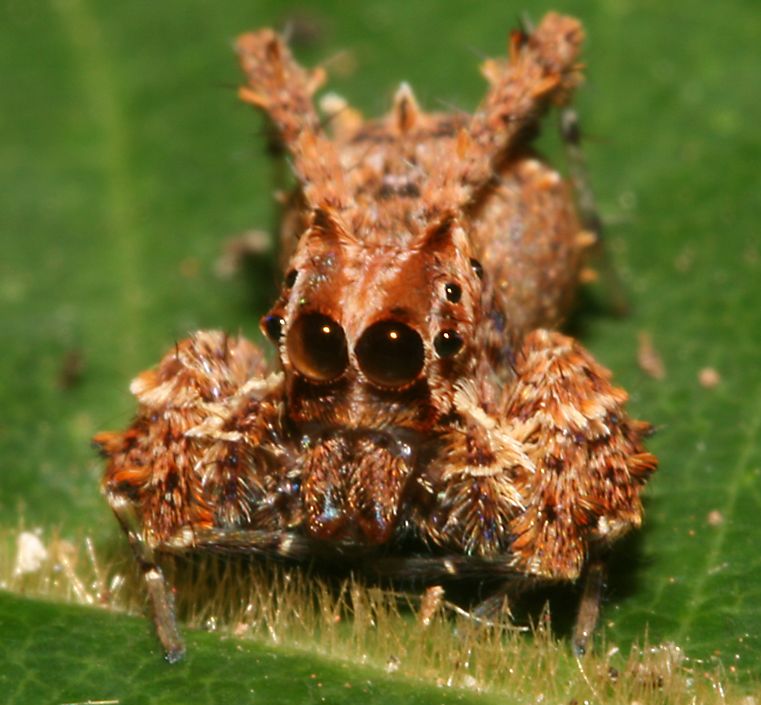
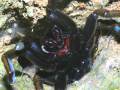
Cambodia is a treasure trove for people who know how to appreciate spiders. This was the first time I'd ever seen one of the extraordinary Portia spiders, which despite its tiny size is famous as the most intelligent family of spiders in the world, able to learn and improvise in ways which are beyond many reptiles and mammals thousands of times its size. I found Portia at Angkor, along with the extraordinary ant-like crab spider, a wolf spider carrying its eggs, and a beautiful lynx spider with a misguided yen for toxic moths. Elsewhere I came across giant wood spiders, tarantulas and many other interesting species. |
|
Costa Rica
|
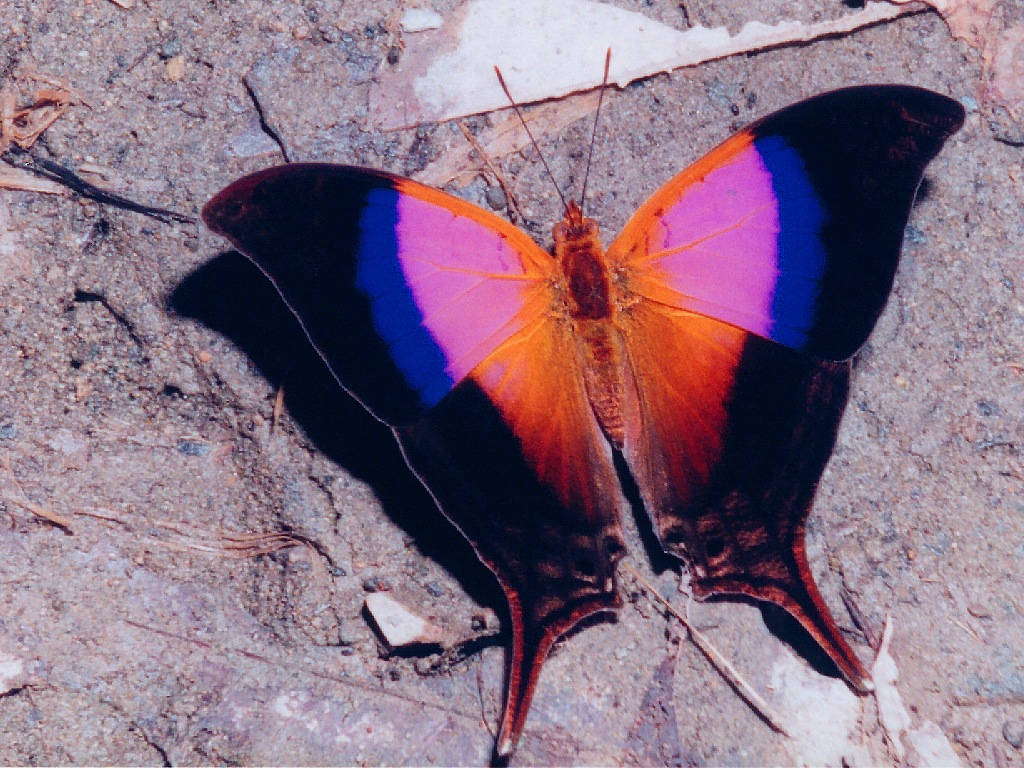
As well as being a mecca for bird watchers, the small nation of Costa Rica is also a hotbed of diversity in the insect world, with around 1250 species of butterfly, 500 species more than the entire United States. |
|
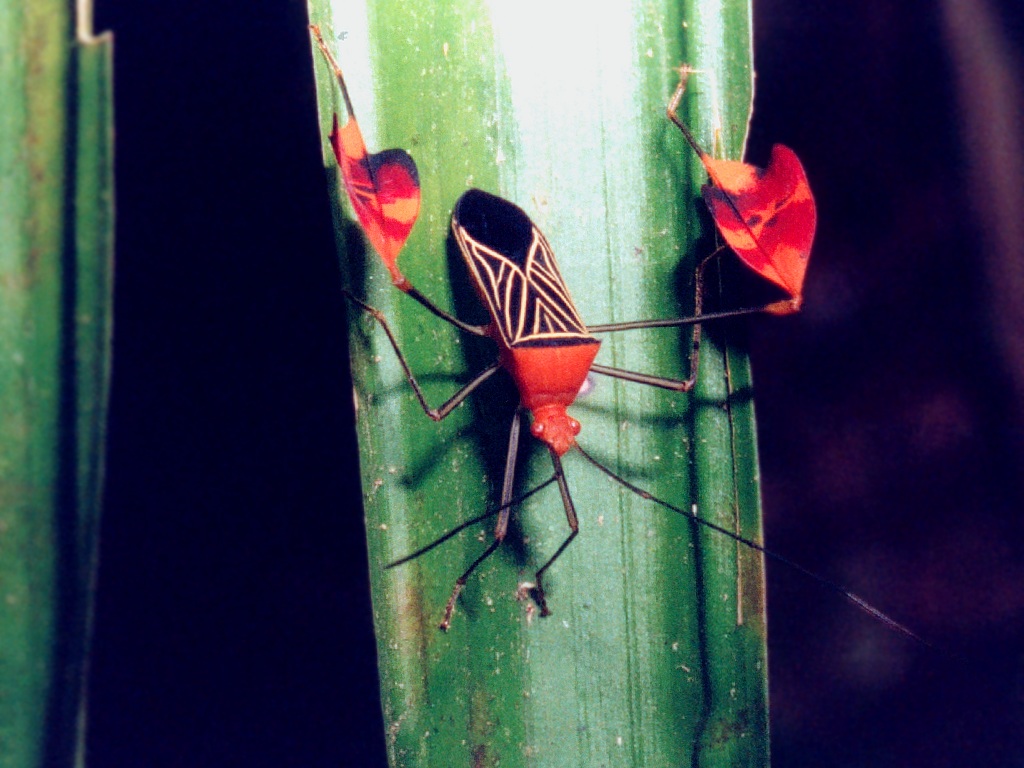
The intense level of competition present in the tropical jungle not only produces a large number of different species, but also a fantastic array of weird and wonderful adaptations. |
|
|
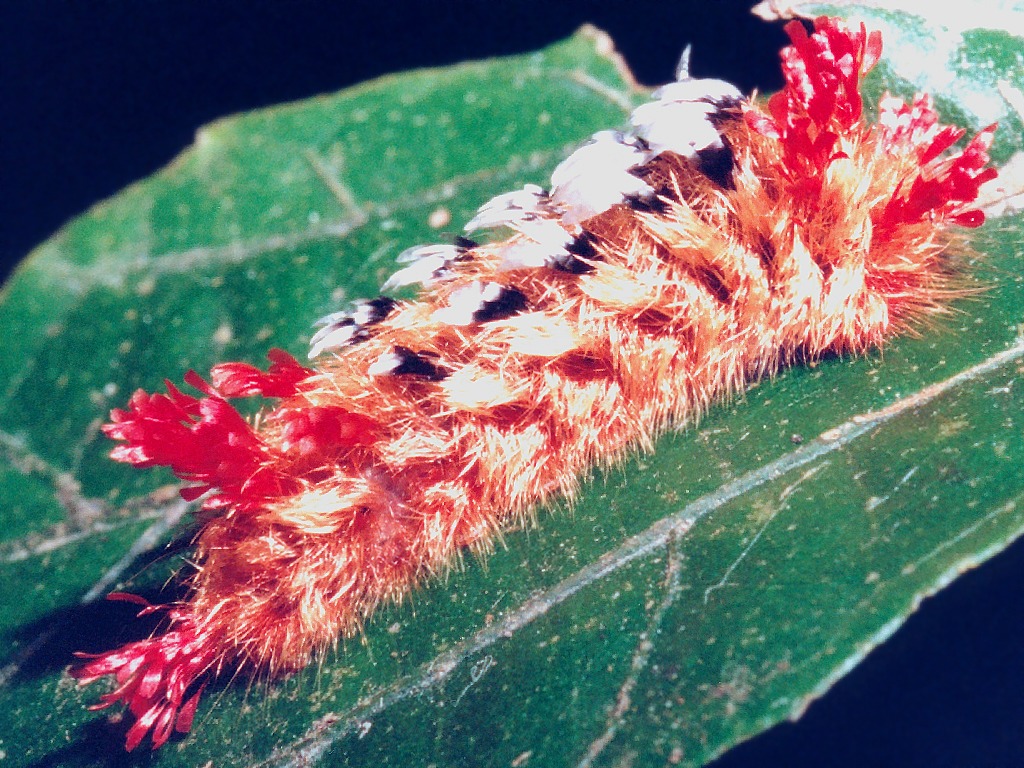
And although Costa Rica's proximity to the United States makes it one of the most visited eco-tourism destinations and also a favorite of ecological study, it's still possible to capture on film critters like this caterpillar in the tarchon family which hasn't been scientifically classified yet. |
Fiji
|
The further from large land masses that you go, the fewer species of animal there are. Fiji is quite a long way into the Pacific, but the prevailing westerly winds ensure that some birds and insects make their way to these shores. Once here they develop separately from their ancestors, which is why two thirds of Fiji's dragonflies and damselflies are found only here. |

|
|
As well as dragonflies and damselflies for the odonatologists, there are some nice butterflies, moths and caterpillars to keep the lepidopterists happy. |
|
Not every insect here is as cute and cuddly as a dragonfly, a butterfly or even a caterpillar. As well as hairy and ferocious robber flies, there are a lot of spiders, including some which are guaranteed to terrify the nervous. |
|
Indonesia
|
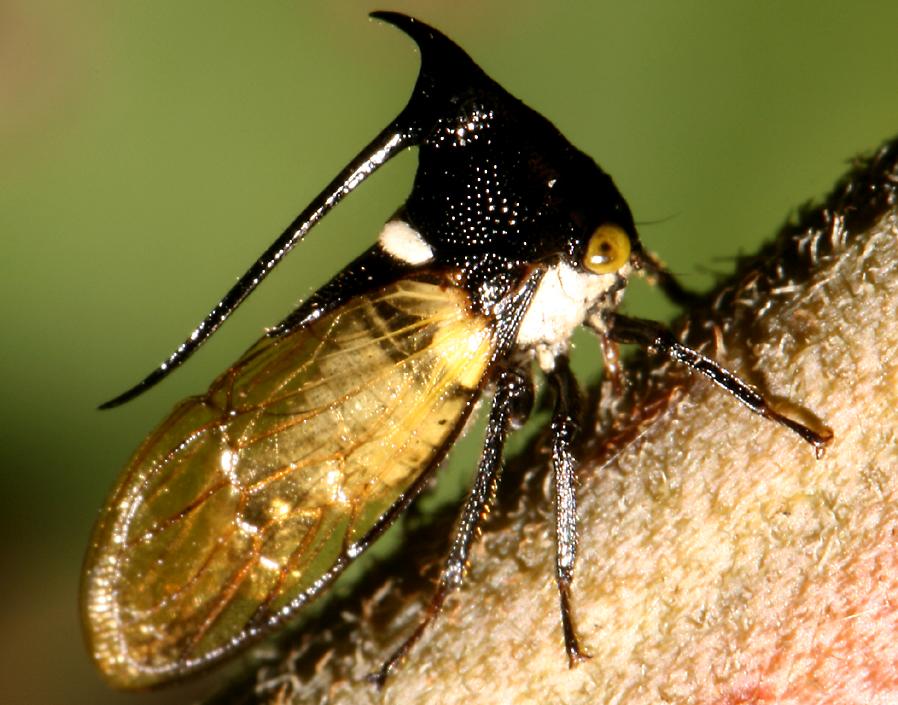
The insects of Indonesia are often weird and wonderful, like this small treehopper with absurdly shaped spikes on its head. |
|
|
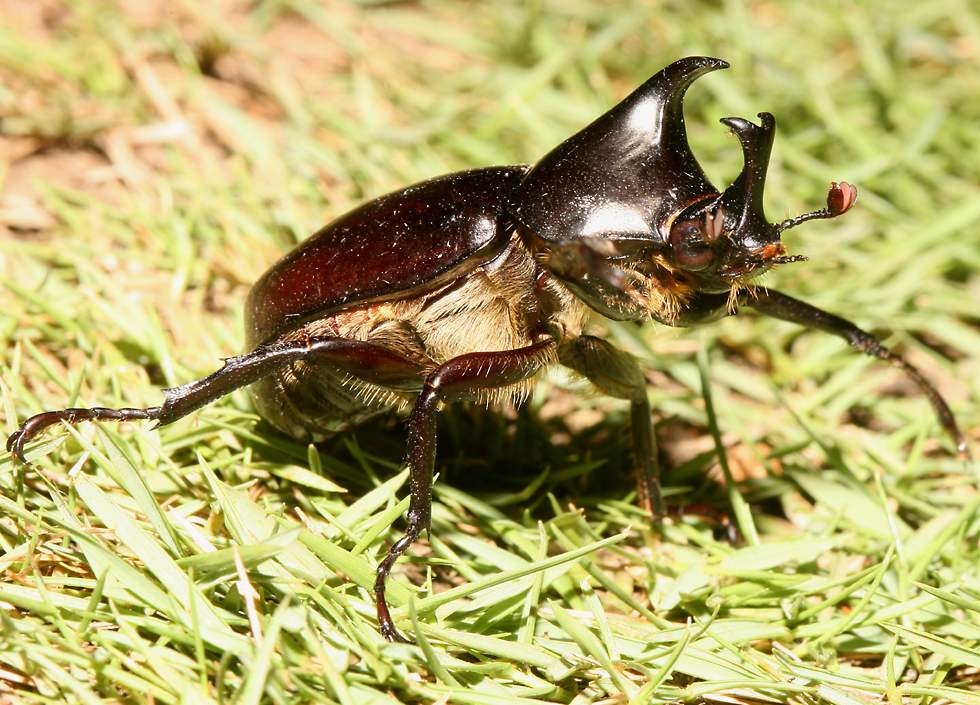
There are many colorful and interesting beetles to see, such as tiger beetles, tortoise beetles and ridiculously large rhinoceros beetles. |
|
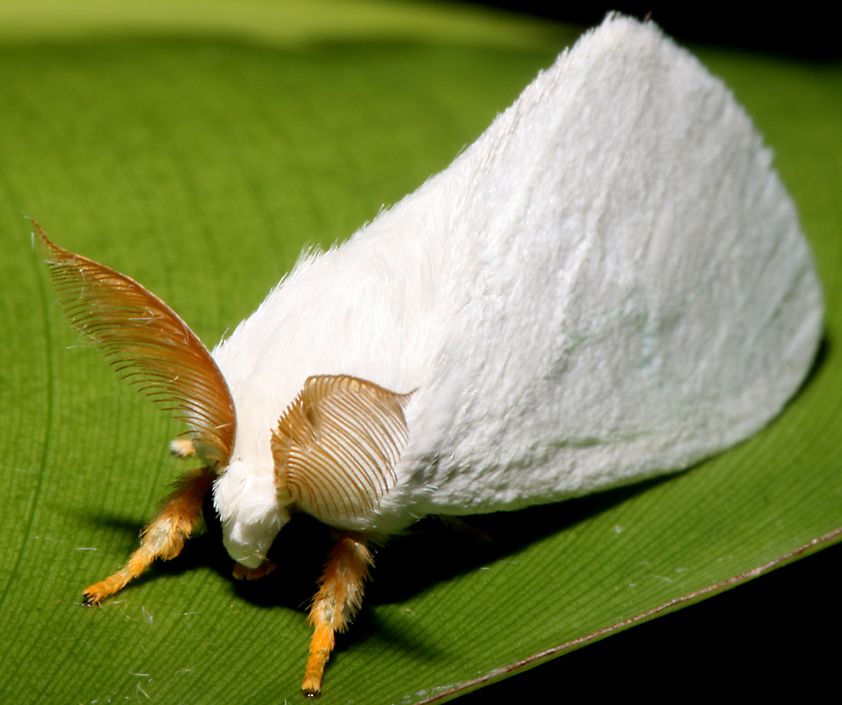
This is a country where the moths are frequently as showy and exotic as their butterfly cousins. |
|
Malaysia
|
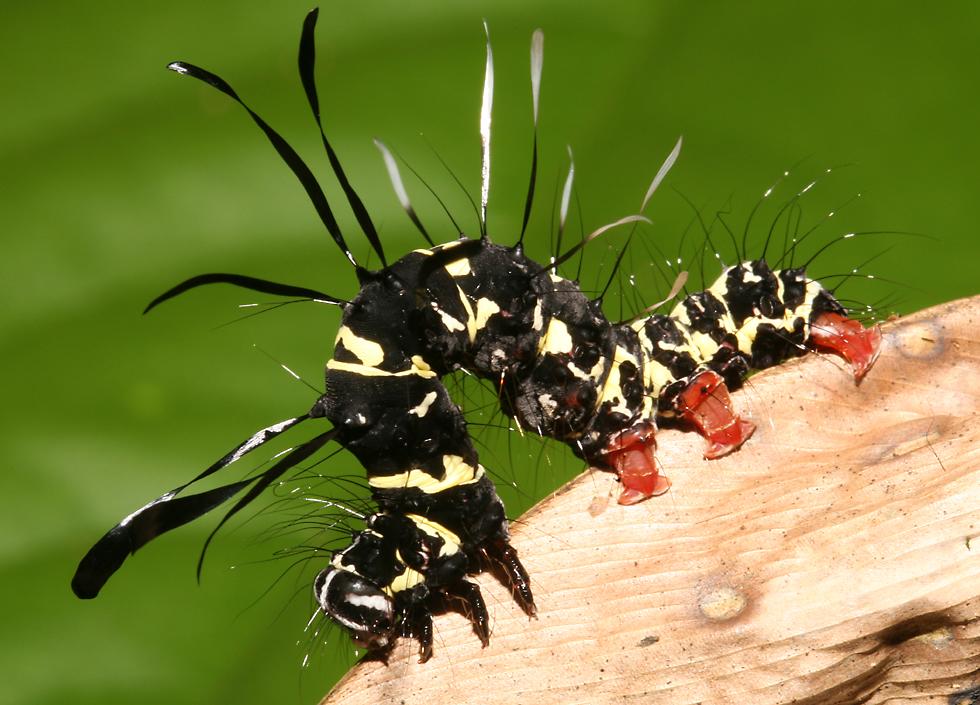
Almost 15 years after first visiting the Malaysian peninsula, I made a repeat journey, armed with better camera equipment and a lot more interest in bugs. I didn't see many butterflies on this journey, but I did come across some very nice moths and several fascinating caterpillars. |
|
|
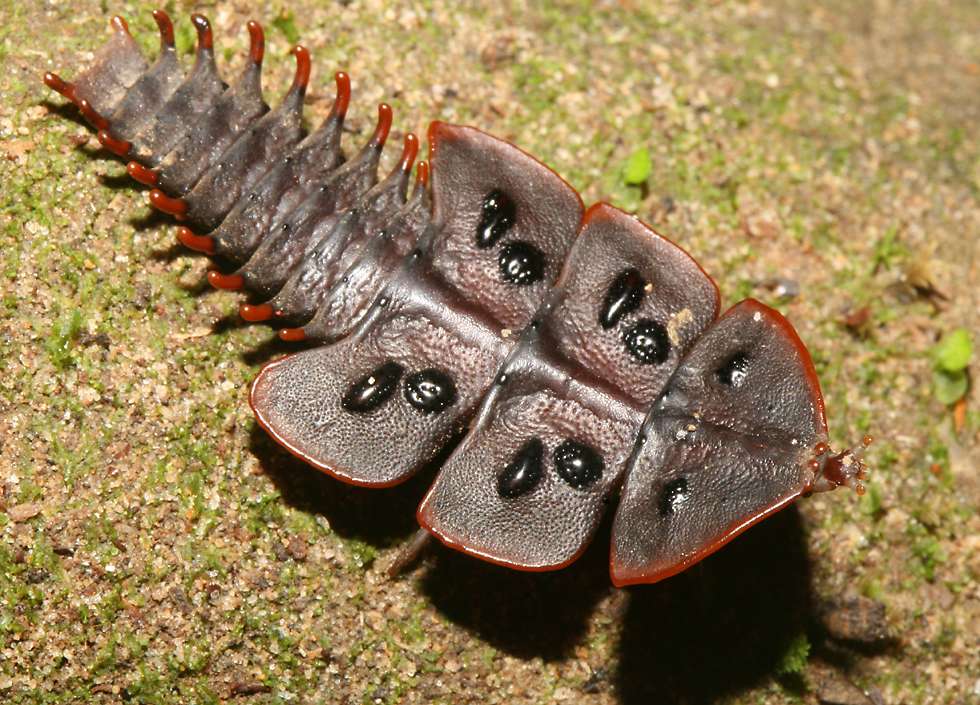
As usual in the tropics, weird and wonderful is the order of the day, and few things can be more weird or wonderful than this Duliticola hoiseni "trilobite beetle" larva. The females stay as larva their whole life, but the males eventually turn into a more typical looking net-winged beetle, only one tenth the size of the female. |
|
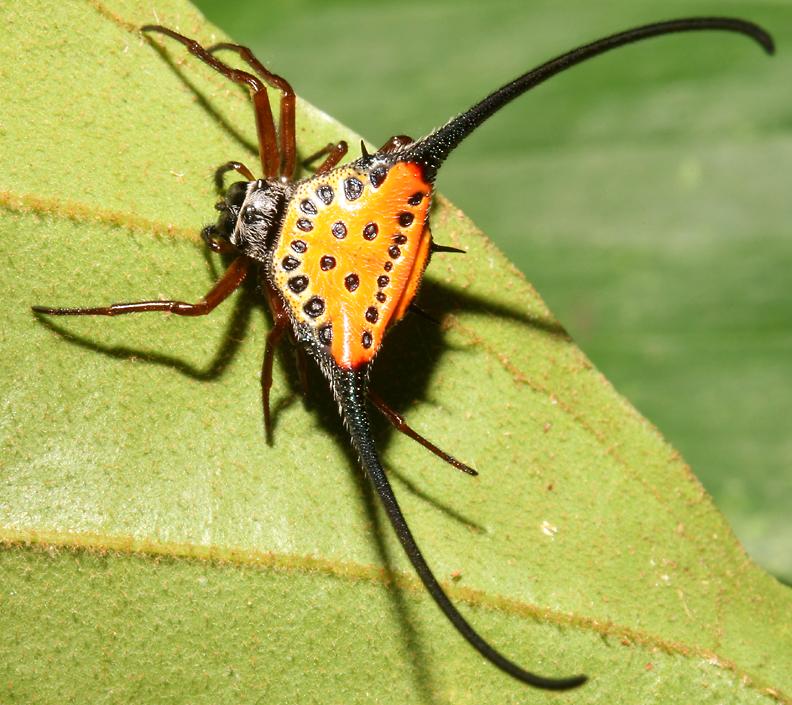
There are plenty of cool spiders, some active during the daytime and some active only at night. This horned spider sits on its web during the day, made confident by the large spines which protect it and other members of the spider family to which it belongs. |
|
Mexico
|
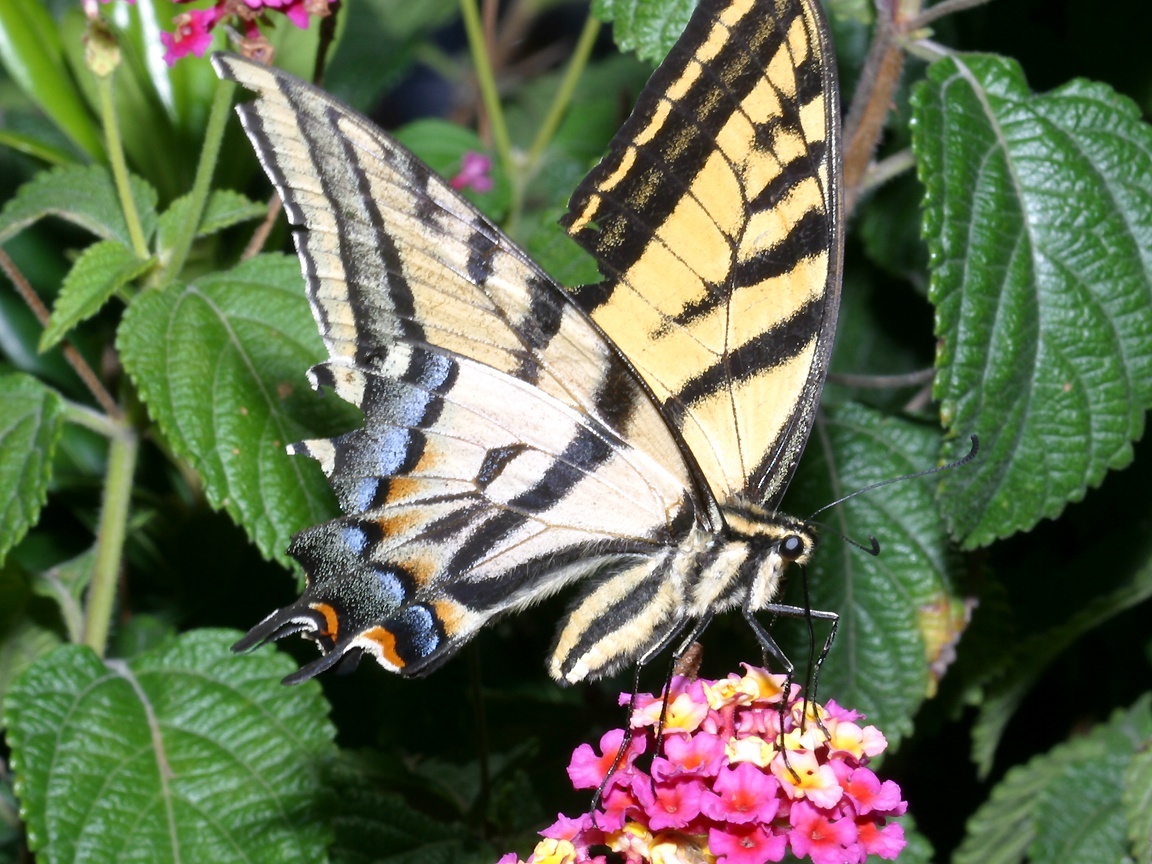
Mexico's extensive natural areas have been severely ravaged by people, particularly in the last few hundred years. There's isn't too much large wildlife to speak of anymore but there are still lots of attractive insects, like this gorgeous two-tailed swallowtail butterfly, one of many Butterflies of Central Mexico. |
|
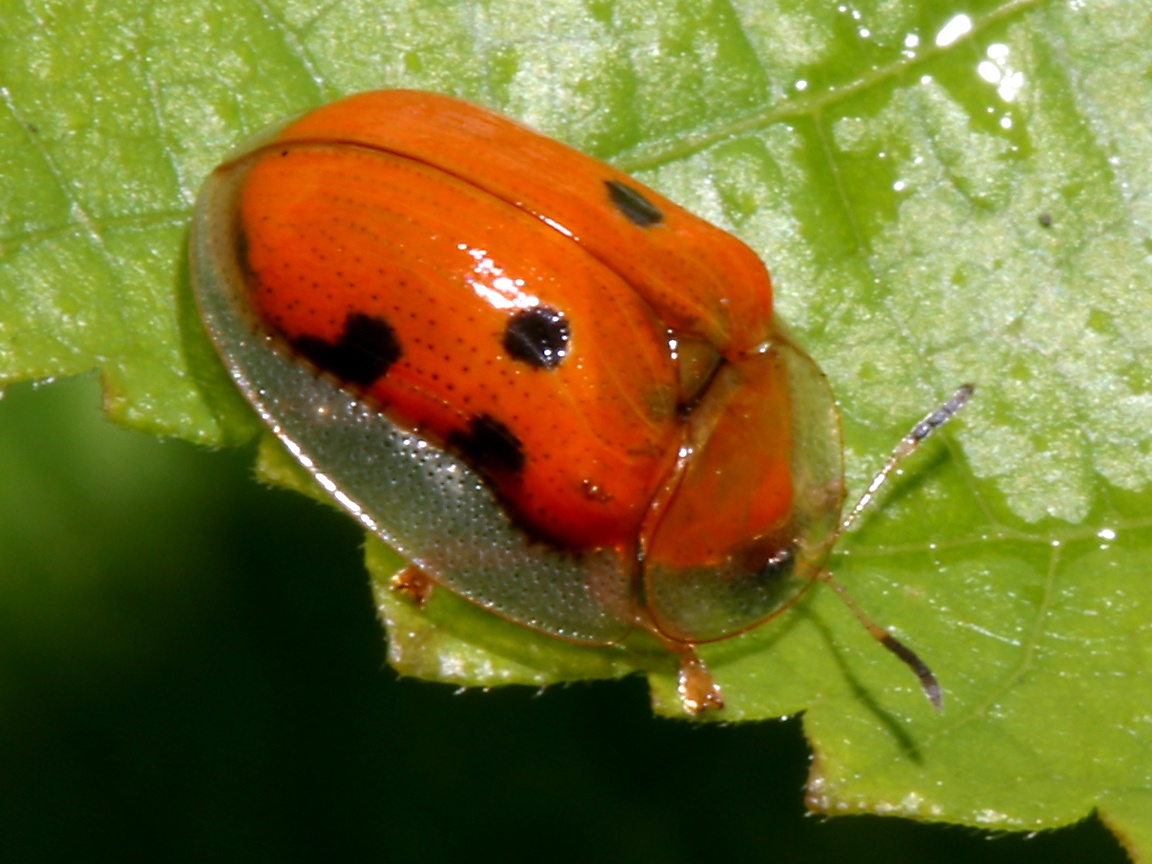
This is a golden tortoise beetle, a species which is capable of rapidly changing color by moving liquids around under its shell. This orange color indicates that it's in a "disturbed" state, no doubt because of the presence of me taking photos! |
|
|
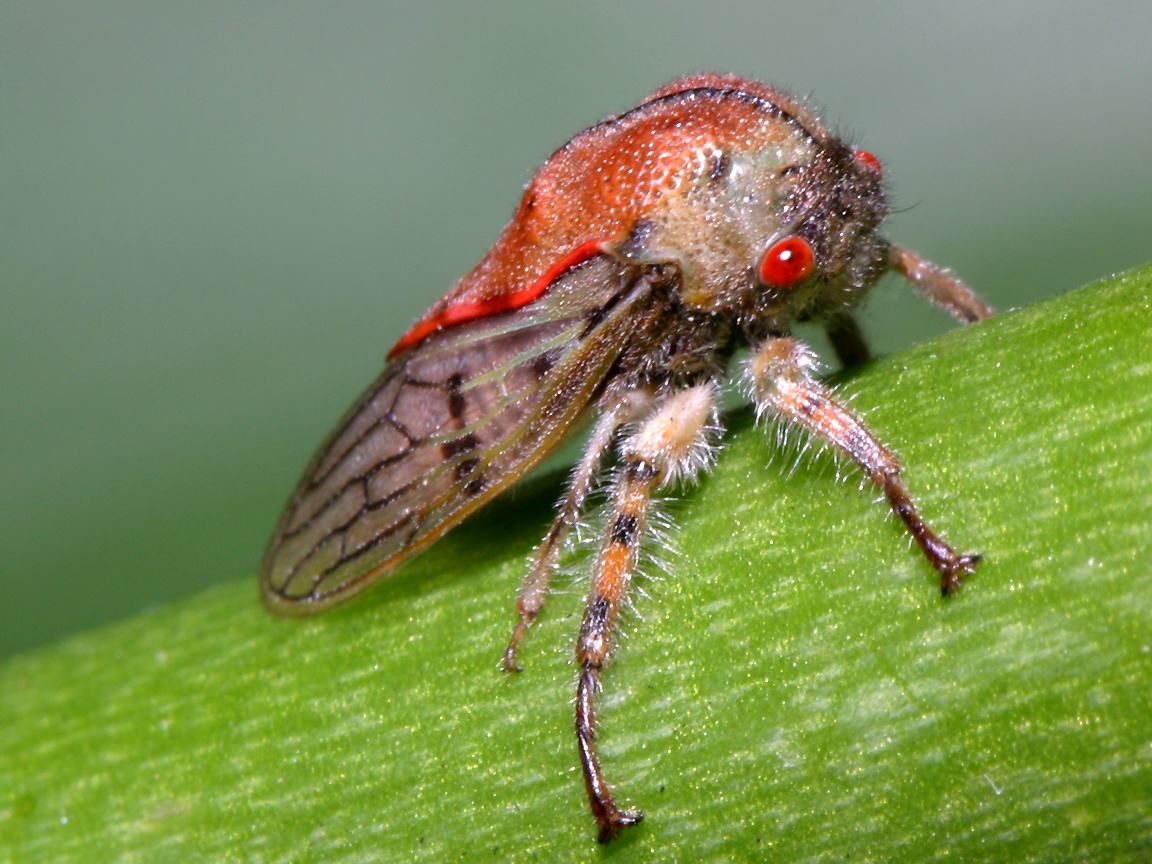
Quasimodo had nothing on this hunchbacked beauty, sucking on a delicious stem. It's a variety of treehopper, all the more interesting because it was snacking in the middle of one of Mexico city's main thoroughfares. |
The Philippines
|
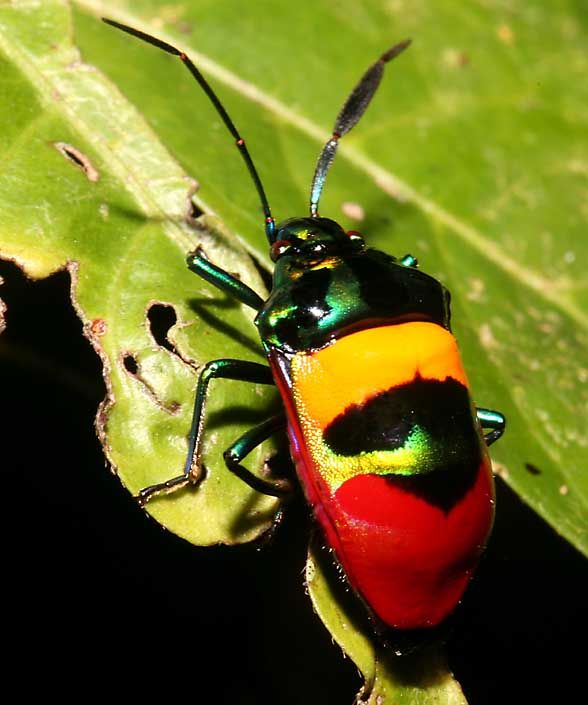
My two week trip to the Philippines in 2006 was extraordinary because I failed to get a single photograph of a bird or of a butterfly. However I did get quite a few photos of Philippines wildlife, including a fair number of interestingly shaped and colored true bugs, like this one. |
|
As you might expect from the tropics, I came across several really strange looking insects, including a moth which didn't seem able to decide whether it wanted to imitate an ant or a mosquito, and this very spiky golden ant, which seemed to have no problems with its identity. |

|
|
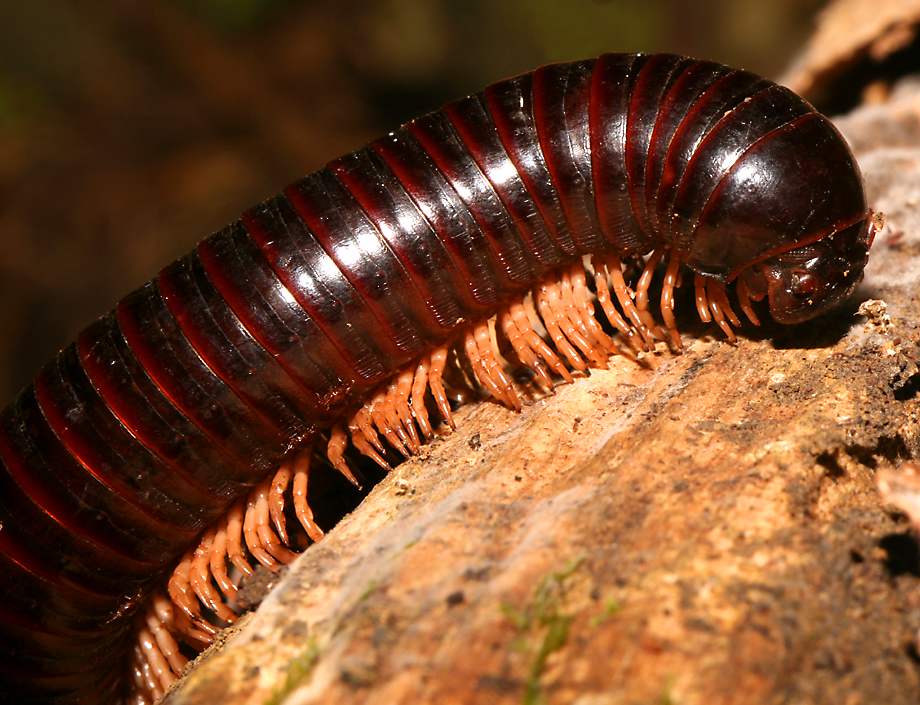
There are a few critters which are definitely at the "creepy" end of the scale, including spiders, leeches and millipedes. This millipede is the largest I've ever seen, measuring a good 20 centimeters from head to tail. |
Russia
|
When I first visited Russia in 2005, the beautiful "peacock" butterfly was the only insect on my mind, and I was fortunate to see quite a few of them in the Moscow region, along with a few other butterflies and some interesting caterpillars. |

|
|
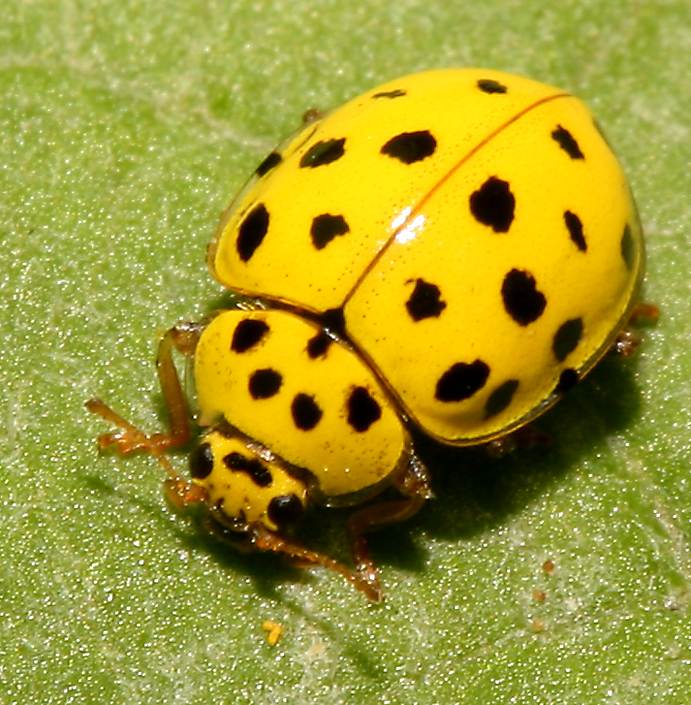
Butterflies weren't the only attractive insects I've seen in Russia, in 2007 I went to the town of Gelendzhik on the Black Sea, where I came across this nice twenty-two spot ladybird beetle, as well as a variety of attractive dragonfly species. |
|
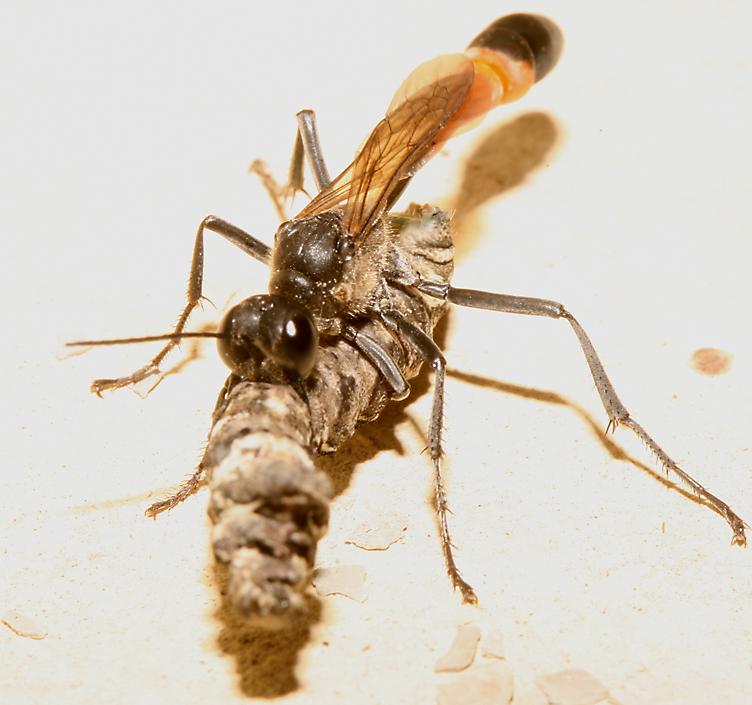
The trip to Gelendzhik revealed plenty of less savory characters, too, like this wasp dragging off a caterpillar which it has paralyzed as food for its young. There were also a few interesting flies like the first scorpionfly I've ever seen, plenty of true bugs and a small number of spiders. |
|
Thailand
|
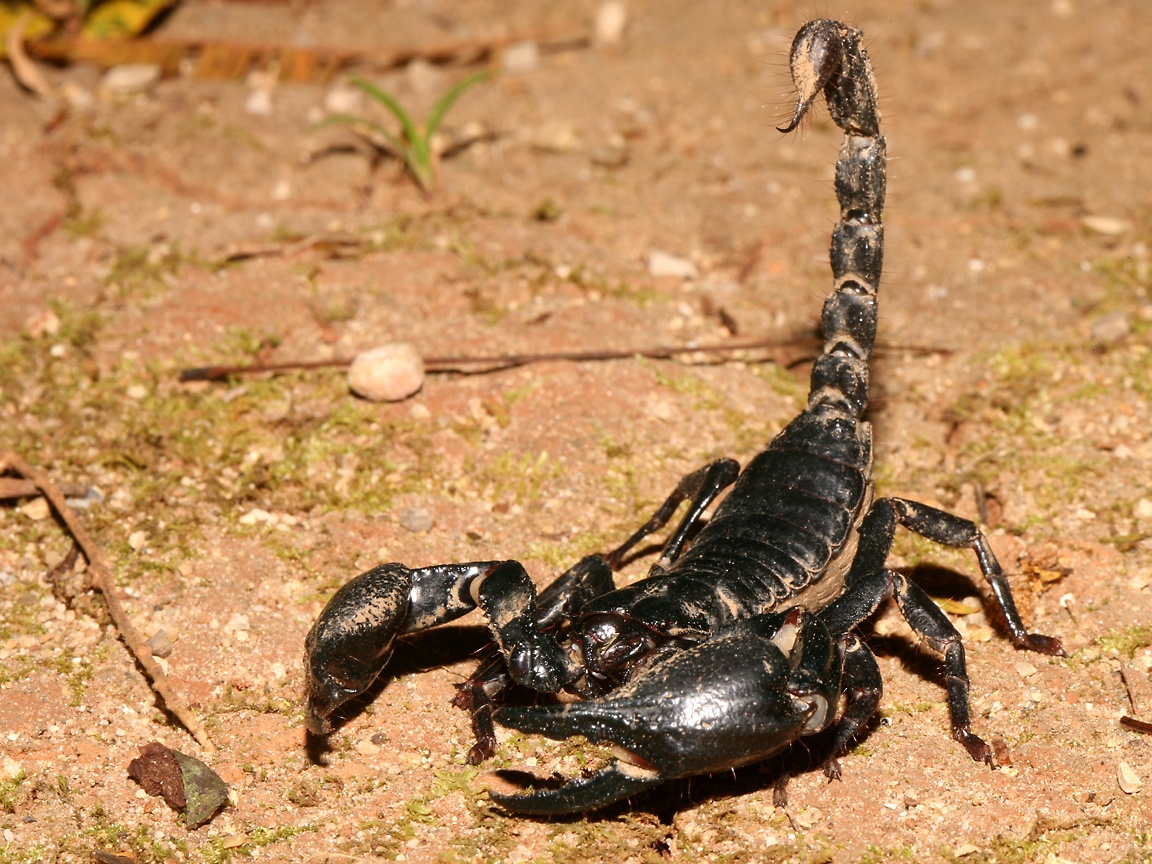
Thailand is a wonderland for the bug enthusiast, with a profusion of beautiful butterflies, dragonflies and beetles. But it also harbors a good share of insects and arachnids that most people don't regard so highly, like this giant forest scorpion I was lucky enough to run across one night. |
|
|
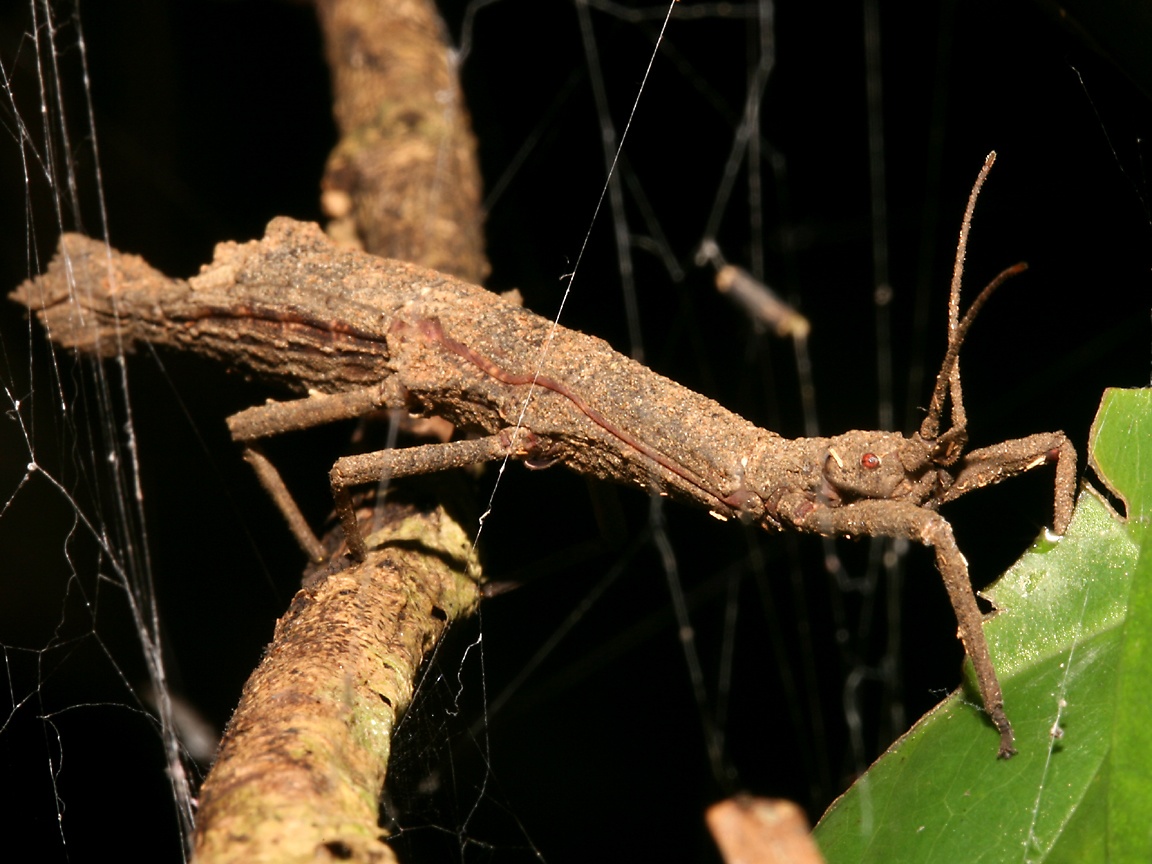
If you're brave enough to step outside at night then you'll find interesting denizens of the dark, most completely harmless like this weirdly shaped stick insect prowling around Erawan national park. |
|
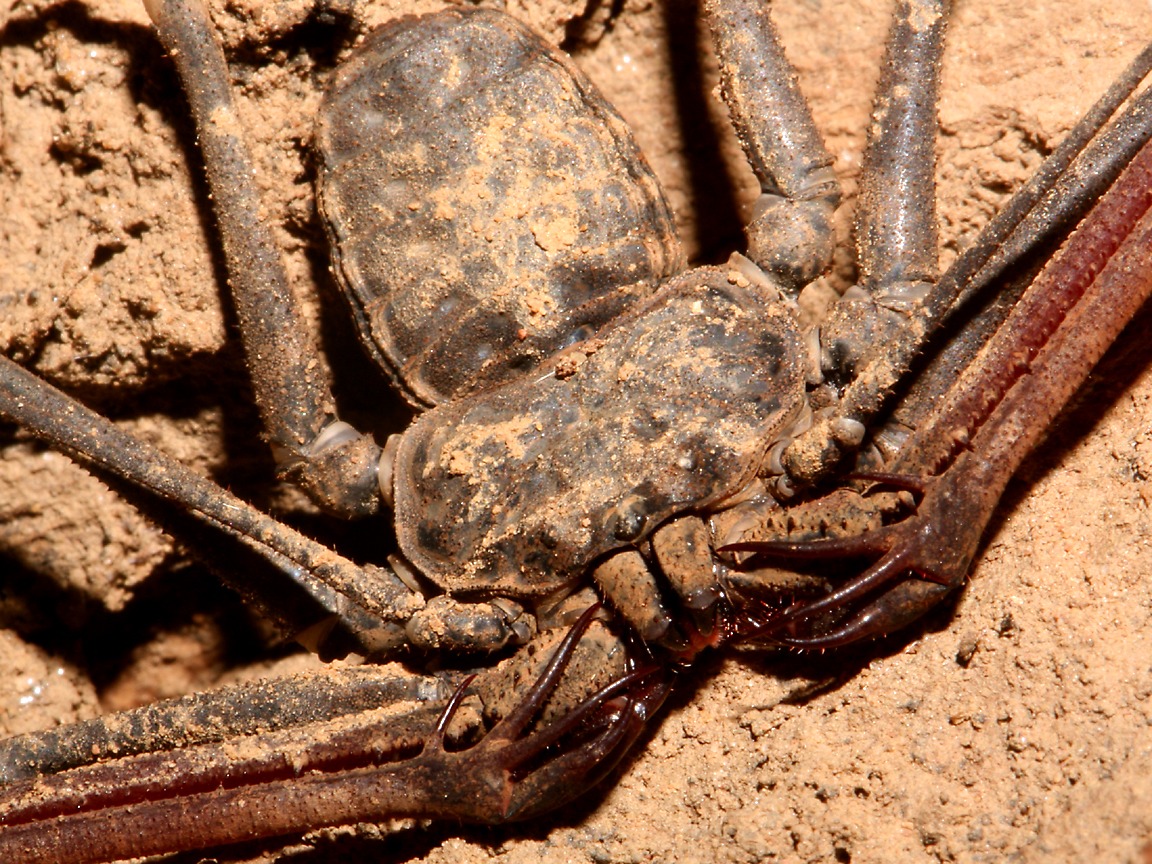
And then there are the critters that look as dangerous as a scorpion but are actually as harmless as a kitten, like this tail-less whip scorpion. |
|
United States of America
|
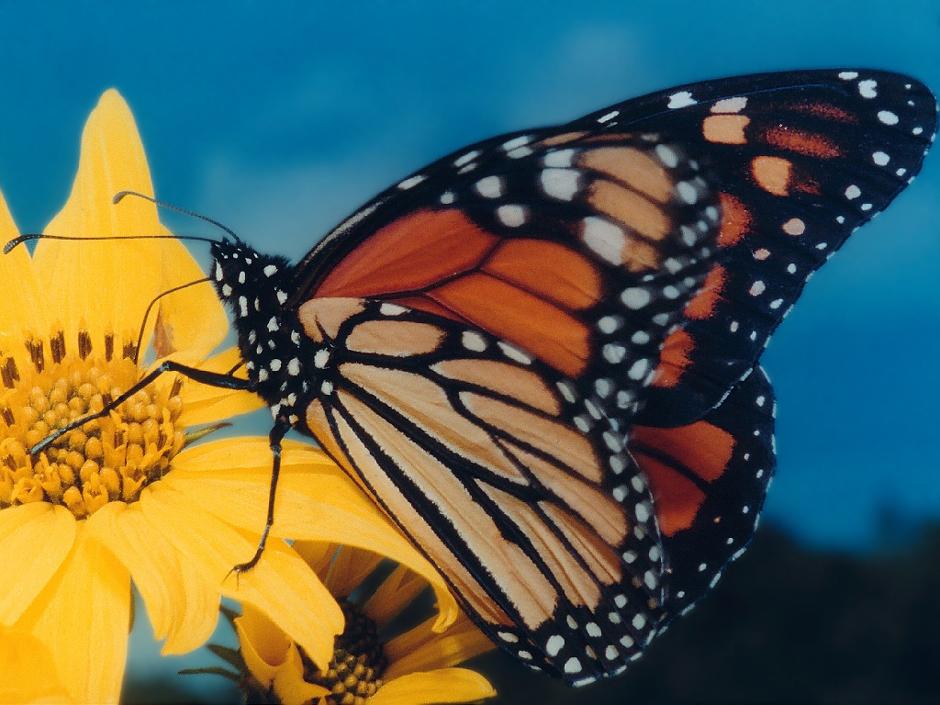
The mainland United States might not be in the tropics, but it's so large and has such a wide variety of habitats that it can still support a very diverse collection of insects, including many interesting moths and butterflies. Indeed the Monarch butterfly, a native of the USA, is probably the most well known butterfly in the world. |
|
|
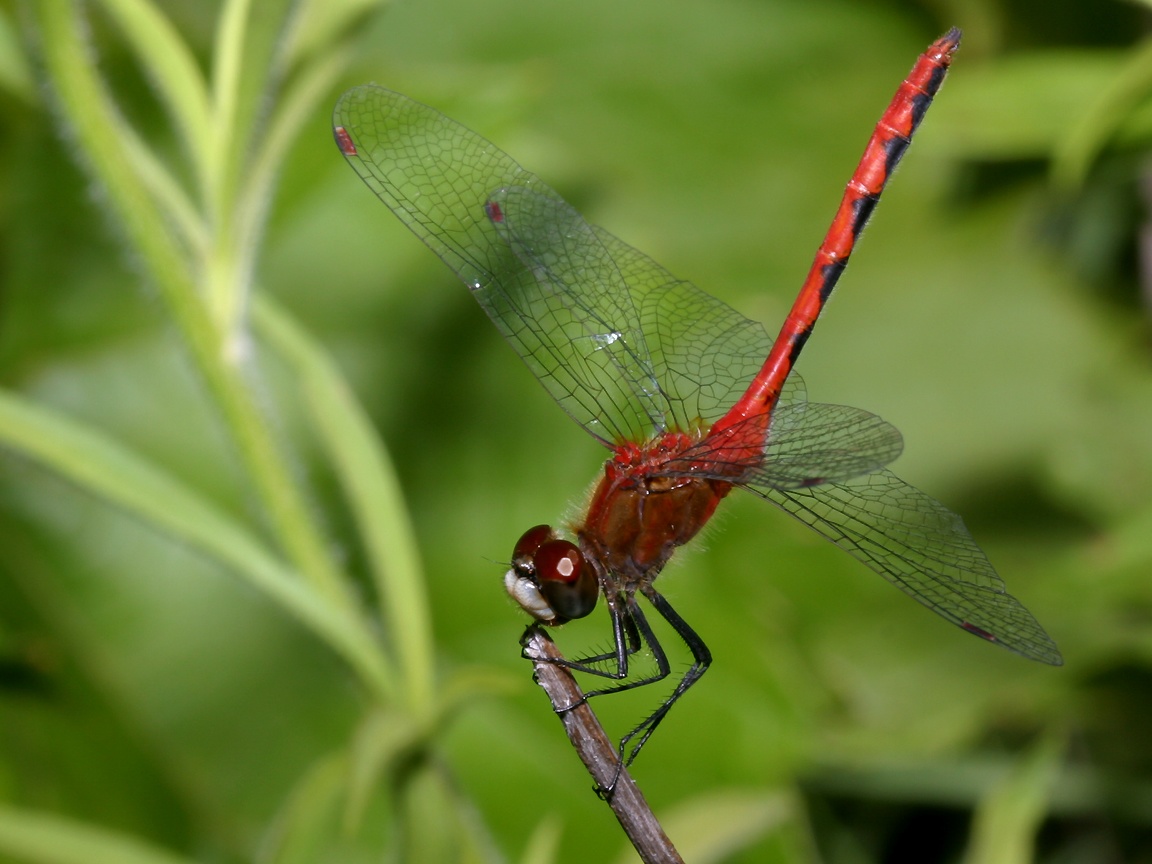
There are so many lakes and waterways in America, it's no wonder that there are many different types of dragonflies and damselflies, some of which pose nicely for my camera and some of which just wouldn't sit down long enough to photograph. |
|
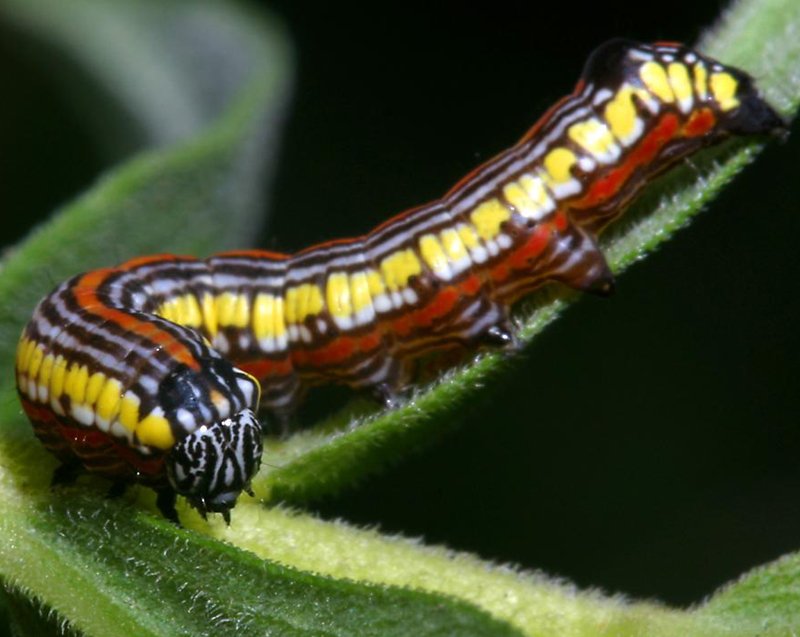
I lived for some years in Chicago and had plenty of opportunities, at least in summer, to get into the outdoors to places like Volo Bog to photograph the local wildlife, including arthropods. I was able to get many photos of the butterflies of northern Illinois, and also of the amazingly colored and patterned caterpillars of northern Illinois. |
|
Vietnam
|
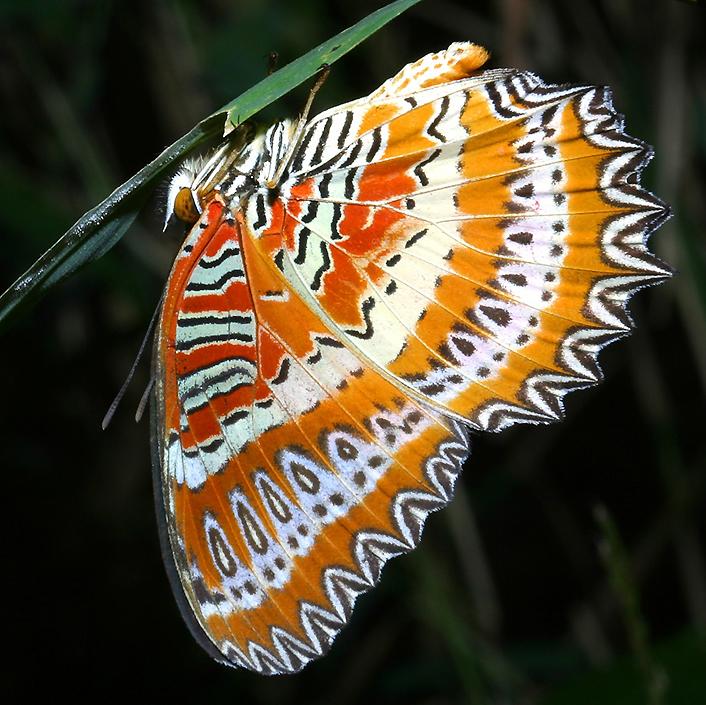
When I visited Vietnam I made special efforts to visit three of the national parks - Cuc Phuong in the north near Hanoi, Bach Ma in the center of the country near the old imperial city of Hue and Cat Tien in the south near Saigon. All three of these parks are excellent places to see the colorful and amazingly patterned insects of all kinds which are such a typical part of life in the tropics. Before I left the country I felt disappointed about how few of Vietnam's butterflies I'd seen, but when I got home I realized that I had more photos of butterflies than I'd collected on any previous trip, and it was the wealth of other fauna which had misled me. |
|
|
In Vietnam and other tropical countries you don't even have to go to the national parks to see a lot of amazing insect life. This colorful longhorn beetle and many other interesting critters were beside the path to a famous tourist site called the Perfume Pagoda. There were many butterflies and dragonflies in the small formal gardens in one of the emperor's tombs near Hue, and other insects were waiting for their closeups right in the center of some of the cities I visited. |
|
Besides the butterflies, the other group of arthropods which impressed me most here were the spiders. I saw dozens of attractively colored spiders in different shades of red, pink, orange and even green. I came across the largest jumping spider I've ever seen as well as the giant wood spider, which spins the largest web of any of these creatures; I also happened across my first ever tarantula, as well as a spider which mimicked an ant (not to mention a moth which mimicked a spider). Most extraordinary of all was a spider with a strangely shaped belly, a clear window on the side of the belly and eggs clearly visible within its belly! |
|