
Fungi of the World
Australia
|
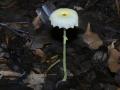
Tropical Far North Queensland has perfect conditions for growing fungus - forests, warmth and plenty of water, so it's not surprising to find some real beauties, like this delicate example, which was totally destroyed by a rainstorm half an hour after I photographed it. |
|
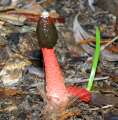
This stinkhorn smells as bad as the name implies, but the stench is essential for attracting the flies it uses to spread its spores. This specimen looks much like ones I've seen in the United States, so I'm not sure if it's native - but then fungi have been around for hundreds of millions of years, which means they've had a good chance to spread around the planet. |
|
|
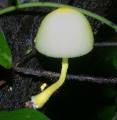
As well as varieties which grow on the ground there are fungi which grow on living and dead trees, like this one photographed on a night walk through the rainforest surrounding Cairns. |
Czech Republic
|
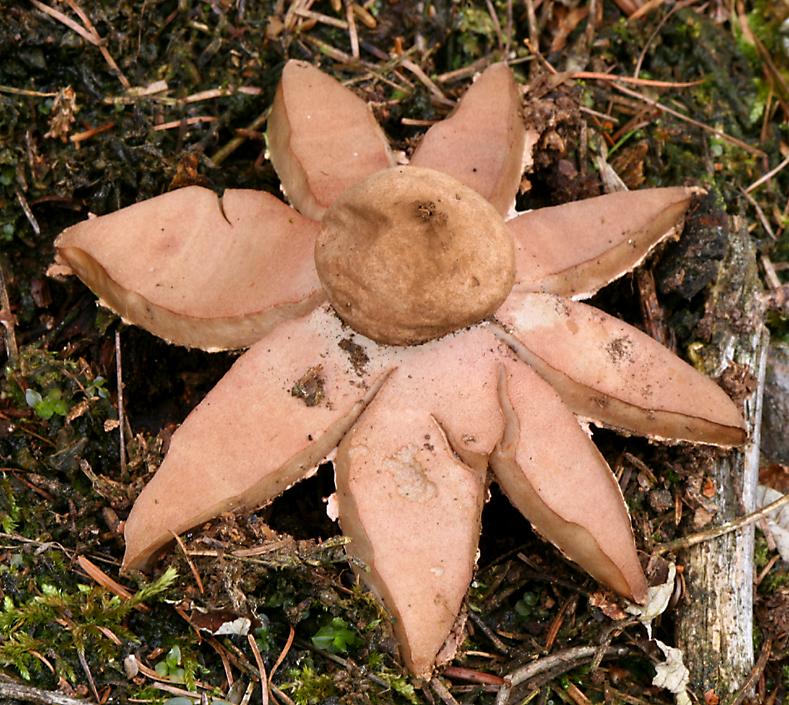
A damp day at Karlstejn castle outside Prague became the perfect excuse to spend time wandering around the woods, looking for interestingly shaped mushrooms and toadstools like this earthstar, a member of the puffball family. |
|
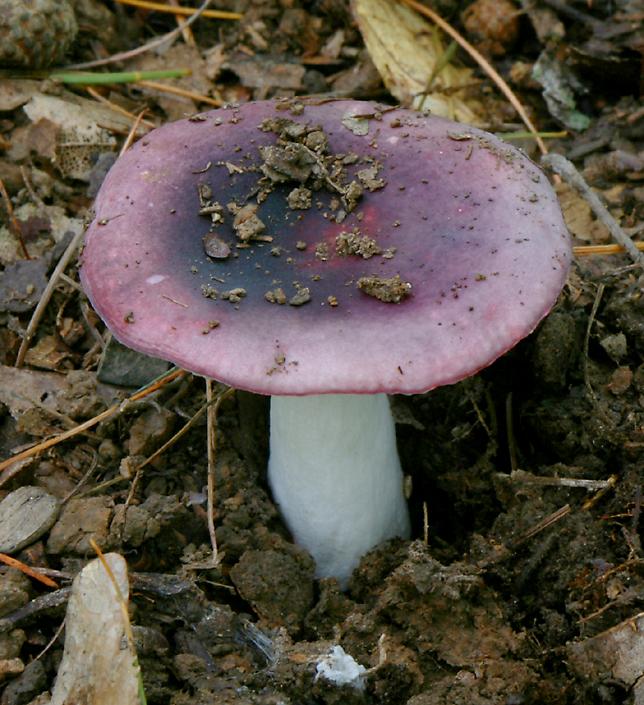
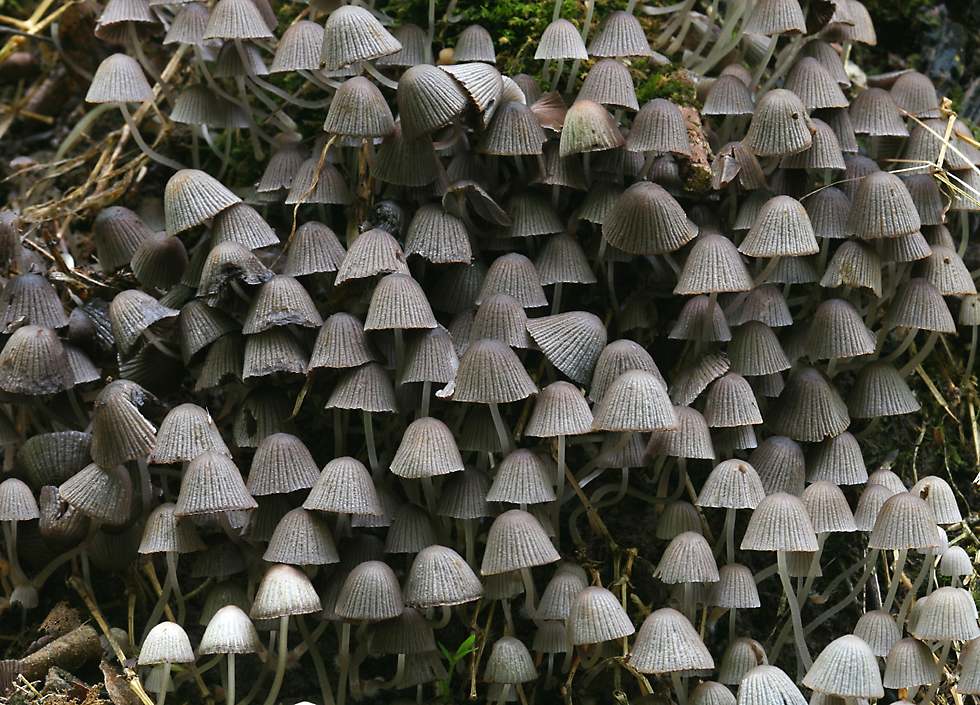
The mushrooms and toadstools of the Czech Republic include many weirdly shaped fungi and also many with colours very different from what most people imagine is possible. |
|
|
Along with a few specimens I photographed in other places around the Czech Republic, there are fungi here ranging from the tiny to the huge, from dull to colourful and from the ordinary to the bizarre. |
United States of America
|
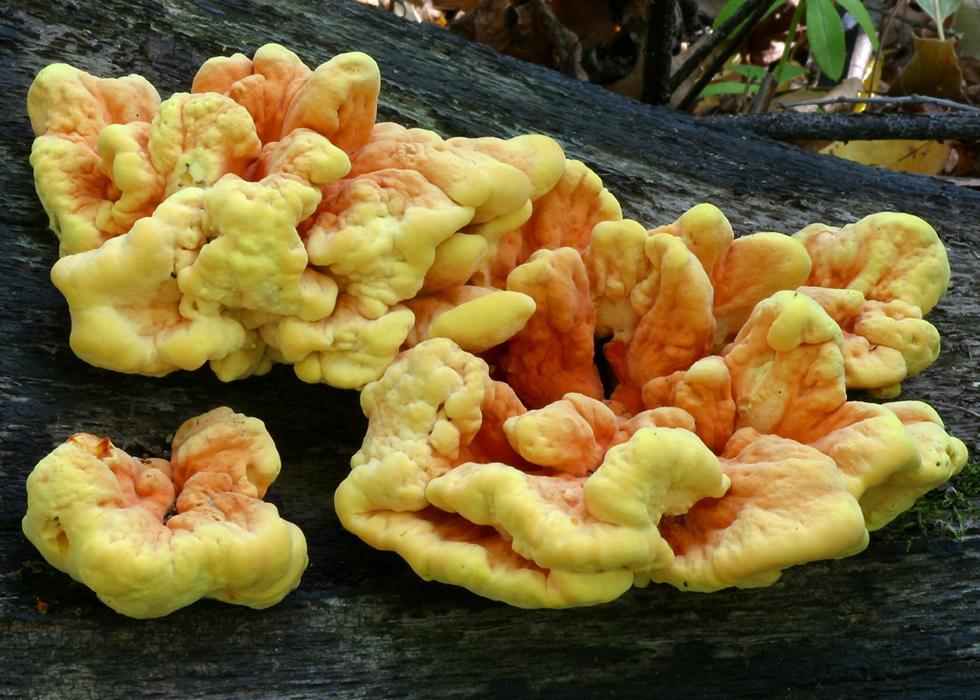
I could scarcely believe my eyes when I saw this large, brightly colored fungus, and I was even more surprised when I identified it as a "chicken of the woods", which I'd photographed previously in a much flatter form. Despite its strange appearance, this is a highly prized edible fungus which, as its name suggests, is supposed to have the same texture and flavor as chicken. |
|
|
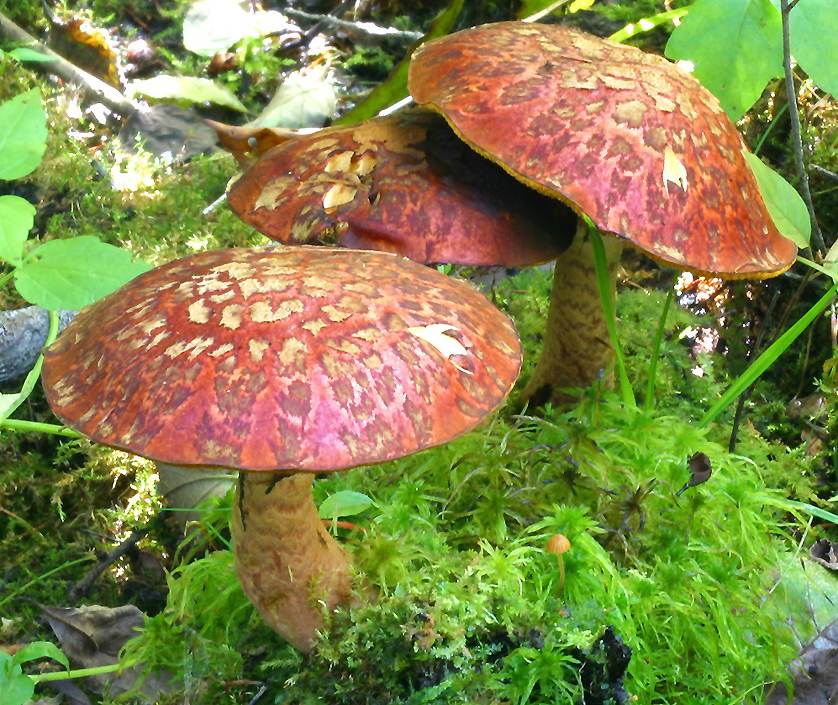
These boletes are from the same location as the "chicken of the woods", Volo Bog nature reserve in northern Illinois. Swamps are just the sort of warm and damp environment where fungi thrive, such as these Phallic Fungi of the Great Swamp Wildlife Refuge in New Jersey. |
|
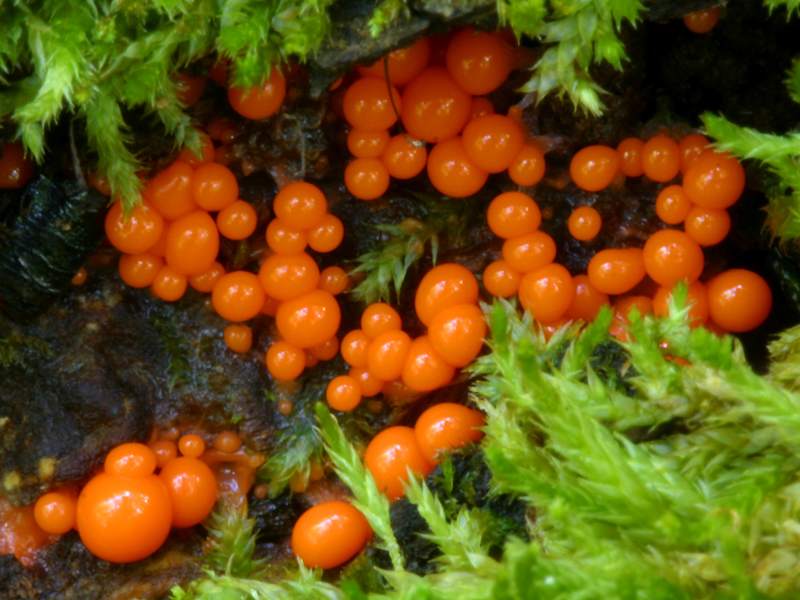
These orange balls are the reproductive phase of a slime mold, which despite the word "mold" in its name is really only an honorary fungus. In fact, it's not a fungus at all, nor is it an animal or a vegetable! Instead, slime molds constitute a "kingdom" of life all of their own. Some of them form giant single cell organisms with thousands of cell nuclei, others exist as single cell organisms which come together under certain conditions and form a single creature. Most of them move through or over rotting wood at about a millimeter an hour, consuming bacteria, and eventually move to the surface and produce fruiting bodies rather like fungi, complete with spores. They're just one of the species you might see during a fungi hunting foray at Devil's Lake in Wisconsin. |
|