
Highlights of the 2004 El Centro Airshow
|
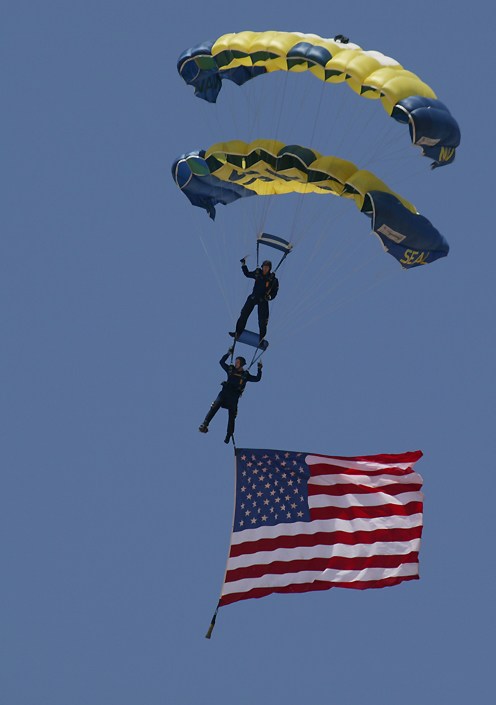
As with many American airshows, this one began with skydivers jumping out of a plane while a woman sang The Star Spangled Banner over the public address system. In the case of this year's El Centro airshow, the skydivers were the Navy Seal team called the "Leap Frogs", who jumped out of a Coast Guard C-130 Hercules. The tradition is for the singer to finish just as they reach the ground, but of course it's often tricky to get the timing just right and often the singer has to perform the vocal equivalent of back-flips and other gymnastics to make it happen. This year she would have run out of air a minute or so before touchdown and died of asphyxiation, so the flag had to land unaccompanied. It's also traditional for a group of people, often young cadets, to be on hand to grab the flag before it hits the ground and gets dishonored, but as you can imagine this is also very difficult and often the flag gets dirty. |
 |
|
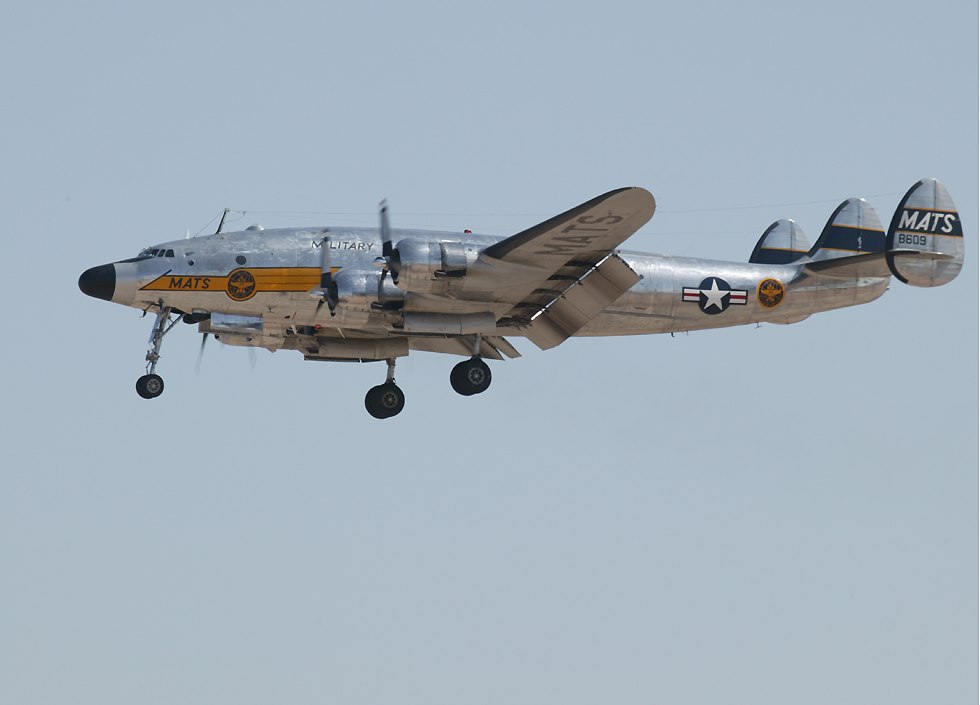
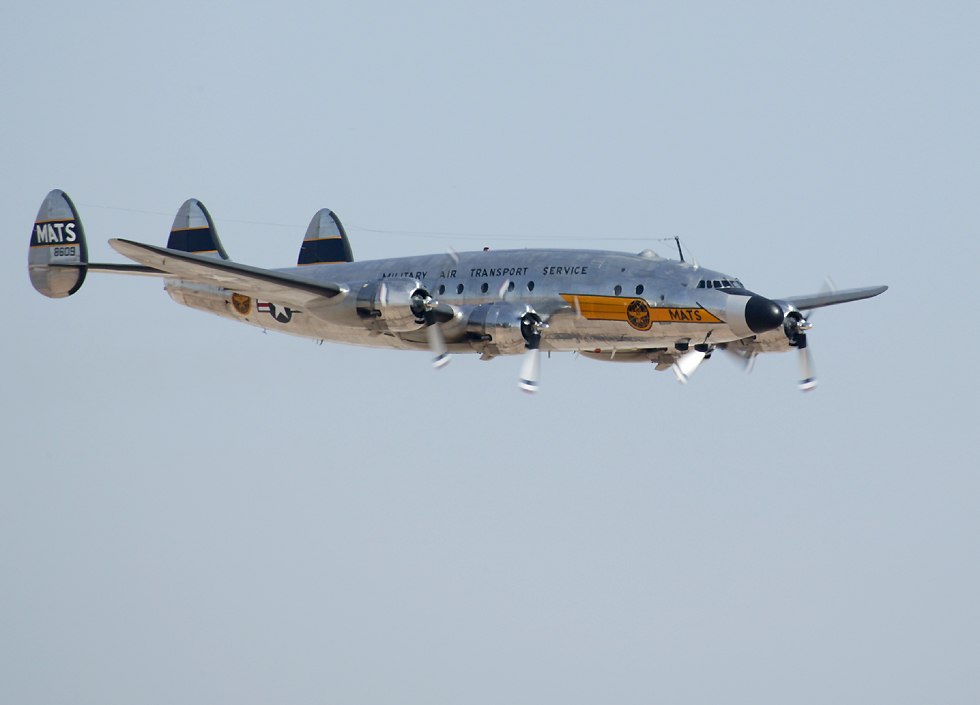
One of the first aircraft flying at this year's show was this C-121 Constellation, painted in the colors of the United States Air Force Military Air Transport Service. The Constellation entered military service near the end of world war two as the C-69, and was later used both for carrying cargo and for transporting passengers - both General MacArthur and President Eisenhower had Constellations permanently assigned for their use, and both can still be seen - MacArthur's plane "Bataan" is at the Planes of Fame Air Museum at Valle, Arizona, and Eisenhower's "Columbine III" is at the United States Air Force Museum at Dayton, Ohio. |
 |
|
Another 82 Constellations were converted during the Cold War to operate as radar warning pickets outside the borders of the United States and pick up the first signs of an attack by Soviet nuclear bombers. I worked with an engineer in California called Steve Bodden who had maintained these outlandish looking aircraft, which had large humps under the belly and above the top to house the radar systems. He worked on one nicknamed "triple nickel" which is also preserved at the USAF Museum at Dayton. |
 |
|
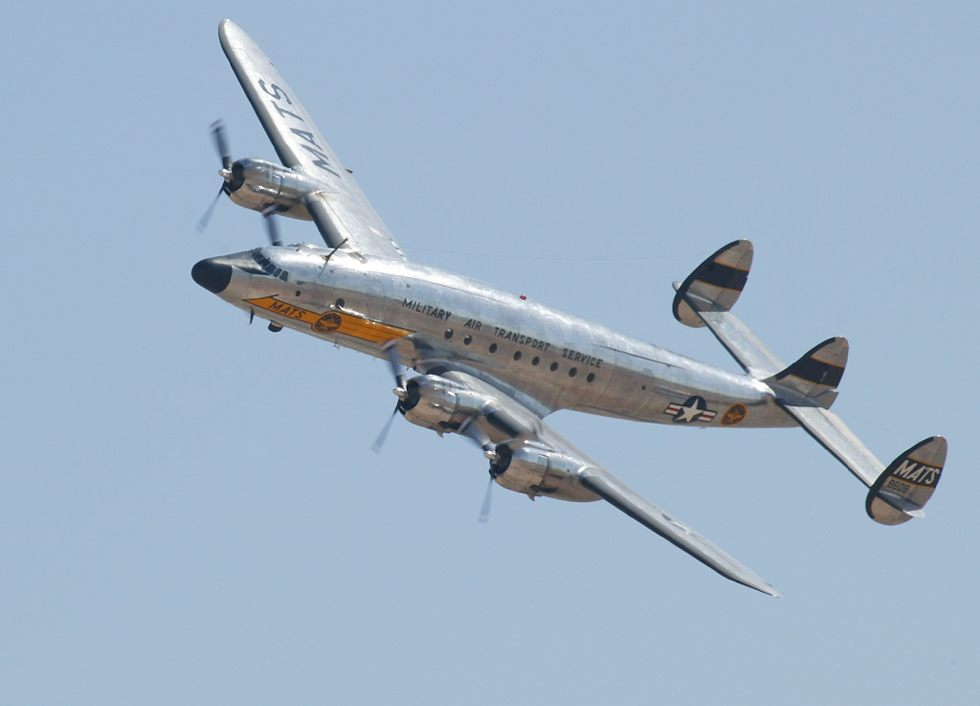
The history of this type of aircraft is fascinating, but what draws me and many other afficianados to this aircraft are its sheer good looks. This has to be the most elegant looking piston-powered transport aircraft ever built. The nose, curved back and triple tail (originally proposed because a single tail aircraft wouldn't have fit into hangars with low roofs) give the Constellation a very distinctive and attractive appearance. |
|
|
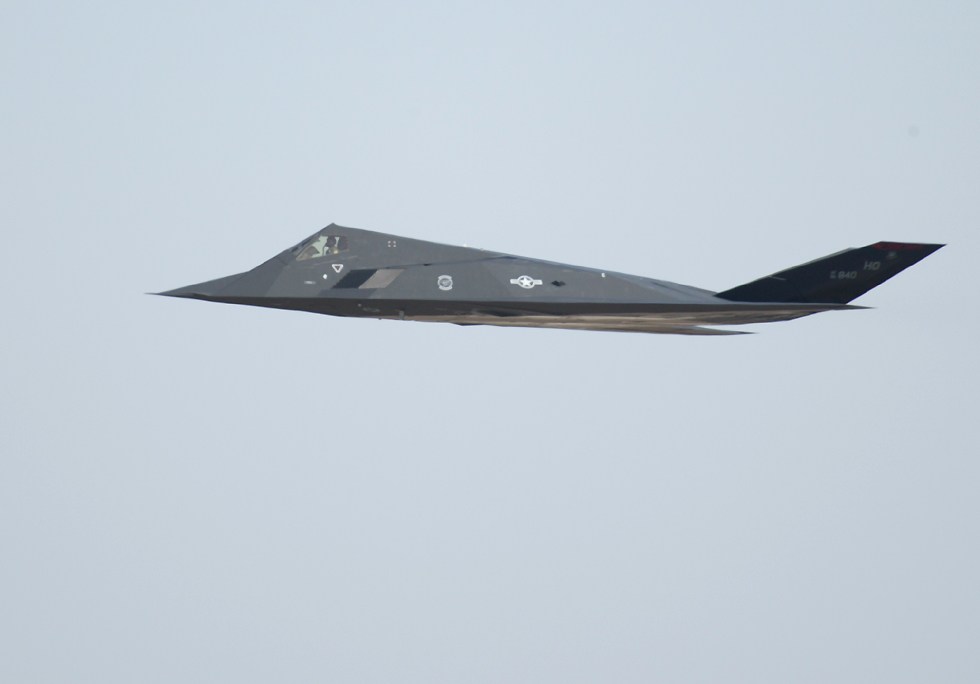
There aren't too many people who would rate this F-117 Nighthawk as one of the world's most attractive aircraft. Interesting, yes and certainly distinctive, but the sharp angular shape of the plane was definitely selected for function rather than aesthetics. Despite the fact that I've seen F-117s flying at many different airshows, a definitive photo of the plane still eludes me, though the large sequence of photos I took at the Royal International Air Tattoo in England during 2002 come closest. |
 |
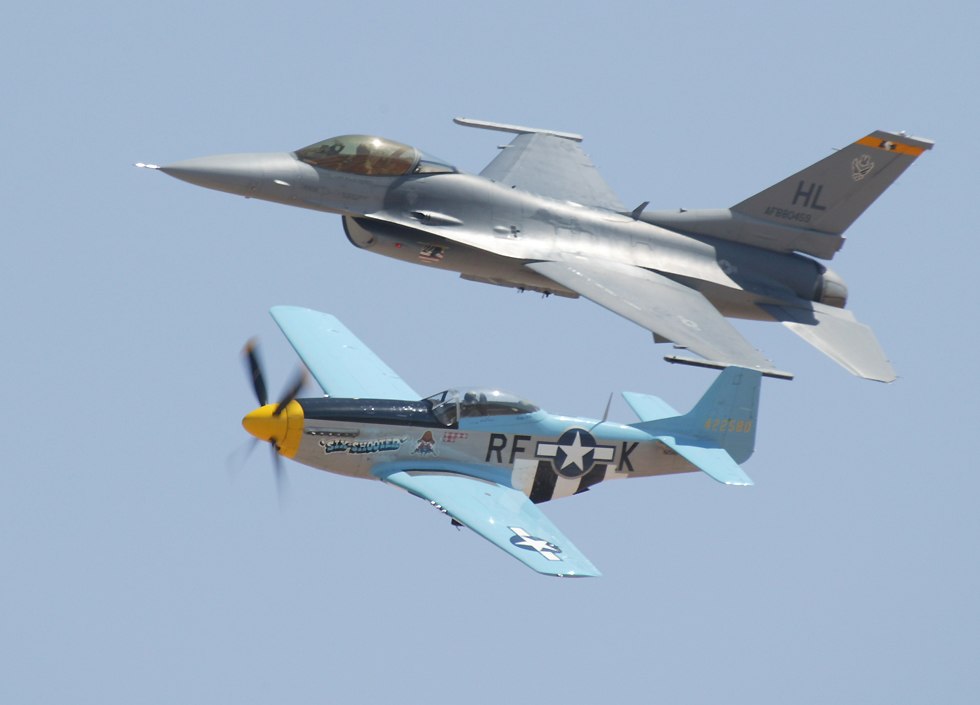

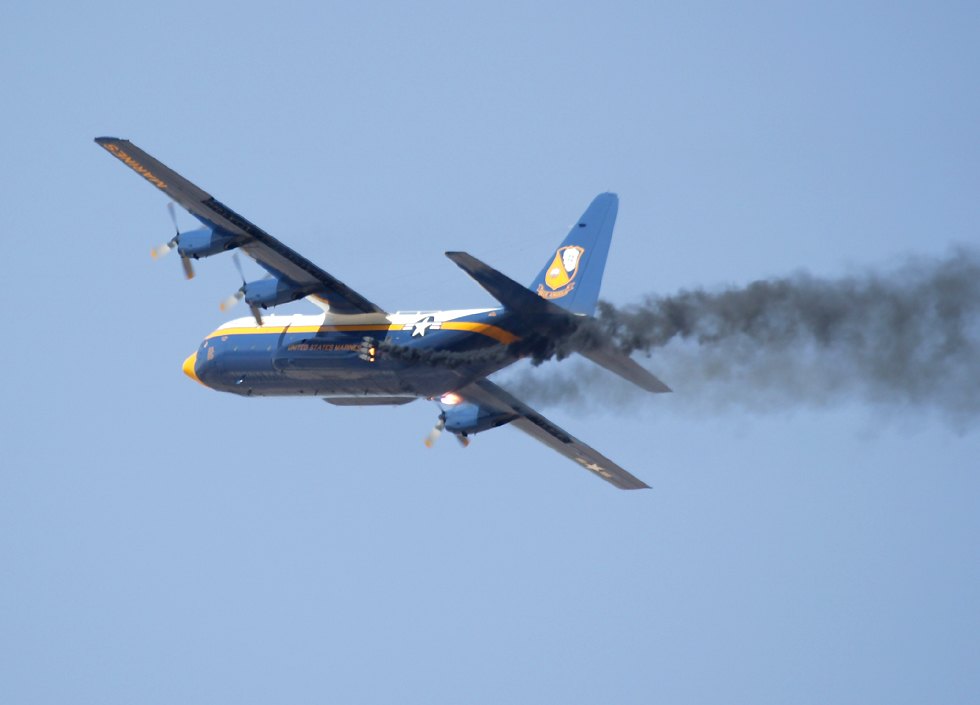
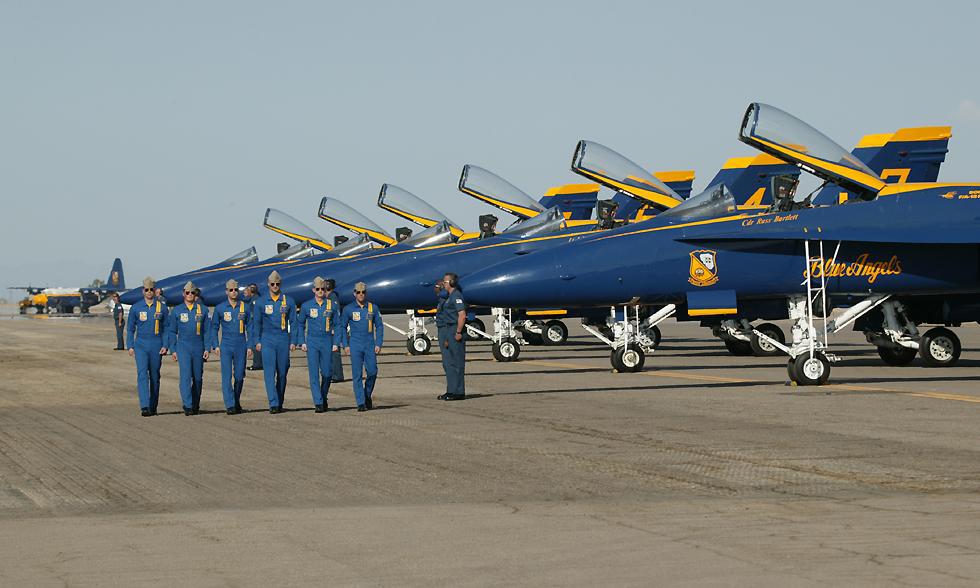
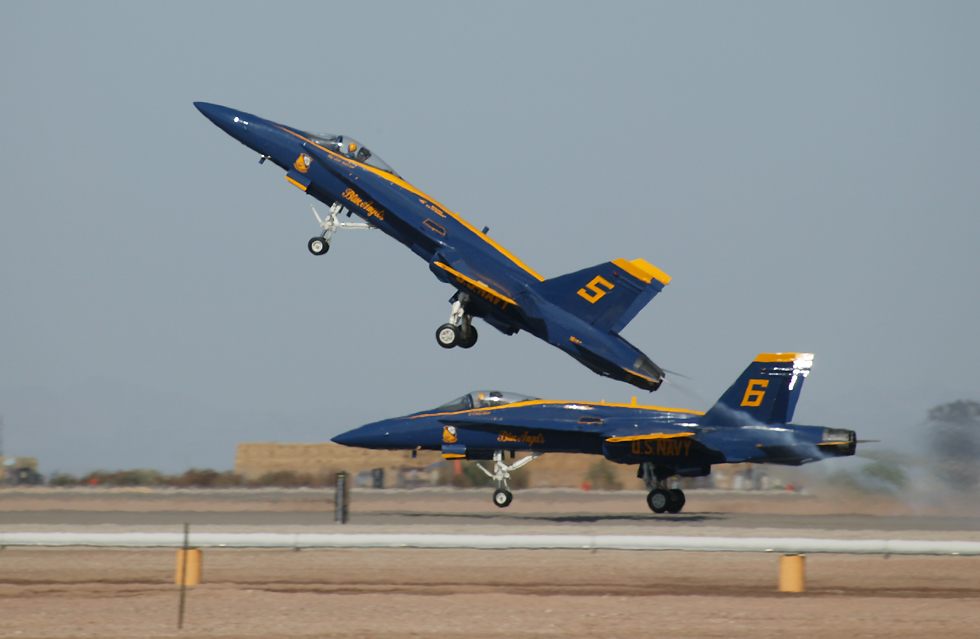
|
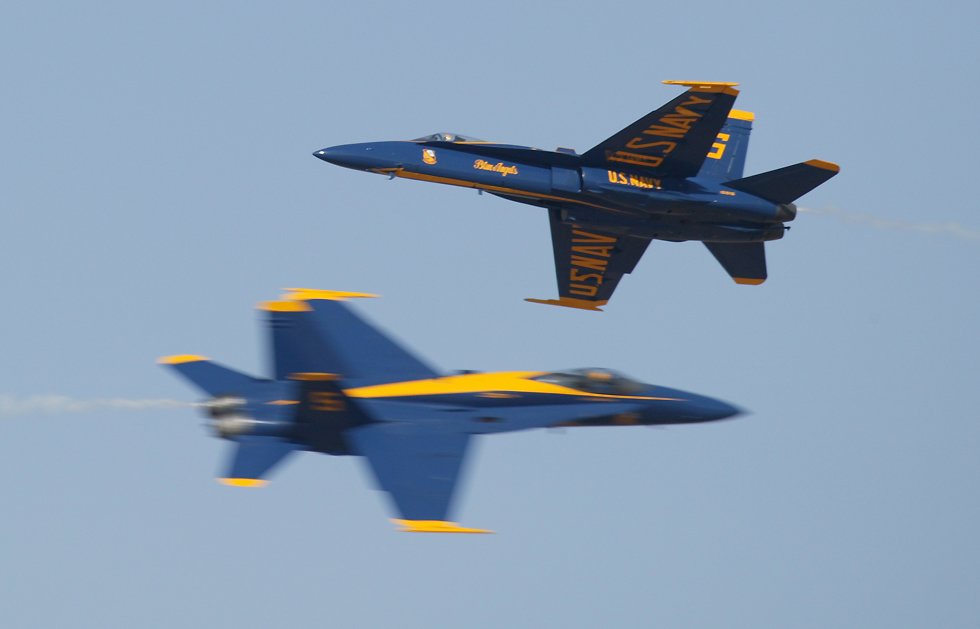
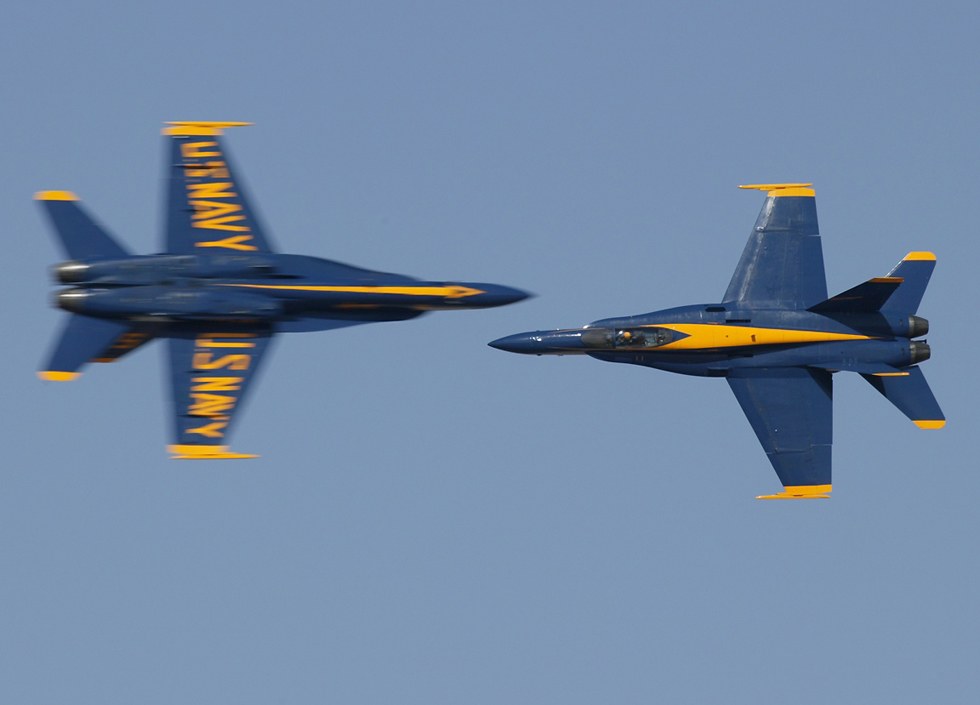
The crowd, for instance, always loves the head-on passes when two of the planes fly straight towards each other only a few feet above the ground. |
 |
|
Experts would realize that the planes actually have greater separation than it seems, but the public always gasps and cries every time they do this dangerous looking maneuver. |
 |